Service Vehicles, Equipment and Inventory in an HVAC or Plumbing Acquisition
For an HVAC or plumbing company, the service truck is the office, the warehouse and the storefront. It carries the technician, the tools and the parts needed to finish a job on the first visit. When you buy a service contractor, the fleet, the specialized equipment and the inventory on trucks and shelves are a visible part of what you are paying for. They are also where surprises often hide: trucks with more wear than expected, equipment that is financed rather than owned, liens that were never released and inventory that looks valuable on paper but has been sitting untouched for years.
This guide explains how to evaluate the service fleet in an acquisition, along with equipment and inventory: ownership, condition, valuation, liens and how these assets fit into acquisition financing. It addresses vehicles and equipment only as part of buying an operating company, not as standalone purchases.
What Is Typically Included
- Service vehicles: vans, box trucks and pickups, often with shelving, racks and branding.
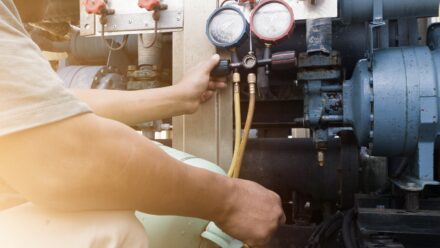
- Specialized HVAC equipment: refrigerant recovery machines, vacuum pumps, gauges and diagnostic tools, lifts and hoists.
- Specialized plumbing equipment: sewer cameras and locators, drain machines, hydro jetters, pipe-bursting or lining equipment, excavation equipment and trailers.
- Shop equipment: fabrication tools, sheet metal equipment, storage systems and forklifts.
- Inventory: parts, fittings, equipment and materials on trucks and in the warehouse.
- Technology: tablets, dispatch hardware and vehicle tracking devices.
Owned, Financed or Leased
For each vehicle and major piece of equipment, determine:
- whether it is owned outright, financed with a lien or leased
- the lender or lessor, balance, payment and payoff amount
- title status and whose name is on the title
- whether any personal vehicles are being used or counted as business assets
- whether leases can be assumed, and on what conditions
Financed vehicles are usually paid off at closing from sale proceeds, or assumed with an adjustment to price. Run lien searches and confirm releases will be delivered at closing. Our HVAC and plumbing due diligence checklist covers the documents to request.
Assessing Condition
- year, mileage and maintenance records for each vehicle
- body, frame and upfit condition, including racks and shelving
- recurring mechanical issues and upcoming major repairs
- age, service history and calibration of diagnostic and specialized equipment
- condition of high-value plumbing equipment such as cameras and jetters
- whether vehicles meet the needs of the company’s work and territory
Consider an independent mechanic’s inspection of the fleet and an equipment specialist’s review of high-value items. Replacement needs identified before closing can be negotiated; those discovered afterward are the buyer’s cost.
How Vehicles and Equipment Are Valued
Buyers and lenders generally value vehicles and equipment at realistic market value, not original cost or book value. For a profitable company, most of the purchase price reflects earnings, and vehicles and equipment are part of the operating whole. For a company with weak earnings, their realistic value may set a floor on price. Aging fleets represent near-term capital needs that reduce what a buyer can afford to pay.
Inventory
Inventory is often counted near closing and priced separately or adjusted against a target level. Key questions include:
- how inventory will be counted, and by whom
- how it will be valued, usually at cost for usable items
- how obsolete, damaged or slow-moving items will be treated
- whether truck stock follows a standard list
- whether any equipment in the warehouse is customer-owned or consigned
Excess or obsolete inventory should not inflate the price.
Titles, Registration and Insurance
Vehicle titles must transfer to the buyer’s company in an asset purchase. Registration, commercial auto insurance, fuel cards, tracking systems and any tolling accounts need to be updated. In a purchase of the seller’s company, vehicles stay with the company but insurance and driver records still require review. How structure affects these transfers is covered in our guide to asset vs. stock purchases for HVAC and plumbing companies.
Planning Replacements
Buyers should build a vehicle and equipment replacement plan into their projections. If several trucks need replacement shortly after closing, common responses include negotiating a price reduction, adjusting the purchase structure or including planned replacements in the overall acquisition budget where the lender agrees. Discuss this with your lender early.
How Vehicles and Equipment Fit Into Acquisition Financing
When an HVAC or plumbing acquisition is financed, the vehicles, equipment and inventory being purchased are typically part of the overall transaction and collateral package. Lenders generally size the loan primarily on documented cash flow, take a security interest in business assets, recognize that used vehicles and equipment depreciate, account for any assumed vehicle or equipment debt in cash flow and look for working capital to handle repairs. See our guides on how to buy an HVAC company and how to buy a plumbing business.
If a company you already own is burdened by layered vehicle and equipment payments, see HVAC company debt restructuring.
Common Mistakes
- assuming every truck and tool is owned by the seller
- valuing vehicles at original cost or book value
- skipping mechanical inspections on older vehicles
- paying for obsolete inventory
- failing to confirm lien releases at closing
- ignoring near-term replacement needs in projections
Frequently Asked Questions
Are service vehicles included when buying an HVAC or plumbing company?
Usually, but the purchase agreement should list them specifically, along with how any financing or leases will be handled.
How is truck inventory priced?
Typically counted near closing and valued at cost for usable items, with obsolete items excluded or discounted.
Can vehicle payoffs be included in acquisition financing?
Sometimes, depending on the lender and the overall transaction.
Financing HVAC and Plumbing Acquisitions
US Professional Funding helps qualified buyers finance the acquisition of established HVAC and plumbing companies, including goodwill, vehicles and equipment within the transaction and working capital. Learn more about our HVAC and plumbing acquisition financing.