
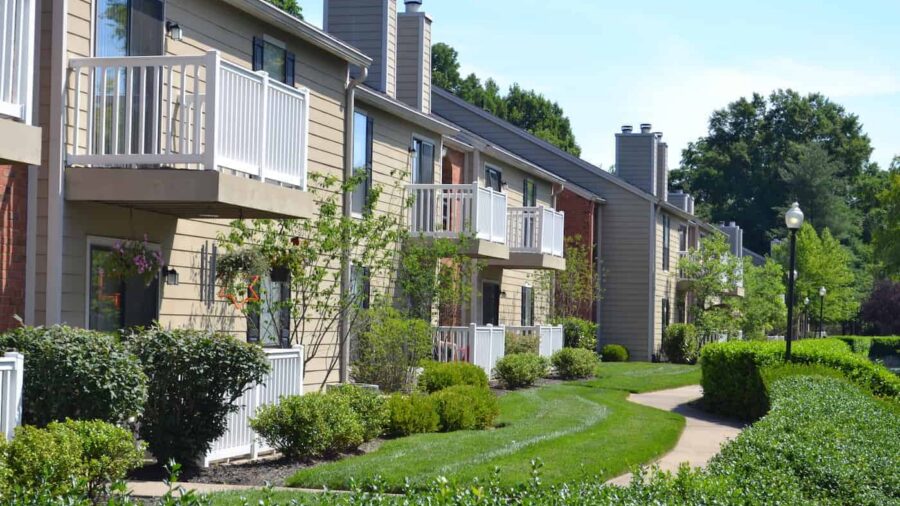
Financing a multi-family property provides the capital needed to acquire existing apartment communities, expand unit capacity, improve infrastructure, upgrade amenities, and support ongoing operations. Multi-family financing solutions help property owners, investors, and operators manage property improvements, utility upgrades, unit expansions, tenant services, and long-term growth initiatives. With the right financing structure, multi-family property owners can increase occupancy, enhance resident amenities, refinance existing debt, and improve operational efficiency while maintaining strong cash flow.
Types of Multi-Family Properties
- Garden-Style Apartments: Low-rise communities typically spread across multiple buildings with surrounding green space, common in suburban markets.
- Mid-Rise & High-Rise Apartments: Multi-story buildings offering higher unit density, often located in urban or dense suburban areas.
- Student Housing: Properties located near colleges and universities, designed to serve student tenants with lease terms aligned to academic calendars.
- Senior & Age-Restricted Housing: Communities tailored to older residents, ranging from independent living to properties with supportive services.
- Mixed-Use Properties: Buildings combining residential units with retail, office, or commercial space on the ground floor or lower levels.
- Affordable & Workforce Housing: Properties serving low- and moderate-income renters, often supported by government programs or tax credit structures.
Growing demand for rental housing and the limited supply of well-located multi-family properties continue to make multi-family real estate an attractive investment opportunity within the commercial real estate market. Whether acquiring a multi-family property, expanding an existing community, or renovating aging infrastructure, structured financing plays a key role in supporting long-term growth and success in the multi-family housing industry.