
Financing a grocery store is a key step for entrepreneurs and investors looking to enter or expand within the retail and food distribution industry. Grocery store financing provides access to capital for acquiring existing stores, developing new locations, renovating retail space, purchasing inventory, upgrading refrigeration systems, and supporting daily operations. With the right grocery store loan structure, owners and operators can launch new locations, refinance existing debt, or reposition underperforming stores while maintaining strong cash flow and long-term scalability. Flexible options such as SBA loans, commercial retail loans, and working capital financing allow businesses to align funding with their growth strategy. Grocery store financing is widely used due to the industry’s strong fundamentals, including consistent consumer demand, high transaction volume, and diversified revenue streams from fresh produce, packaged goods, prepared foods, and specialty items. These factors make grocery stores one of the most resilient and active sectors in small business and commercial lending. Whether acquiring, developing, refinancing, or upgrading a location, structured grocery store financing solutions play a critical role in increasing profitability, improving operational efficiency, and supporting long-term growth across single or multi-location retail portfolios.
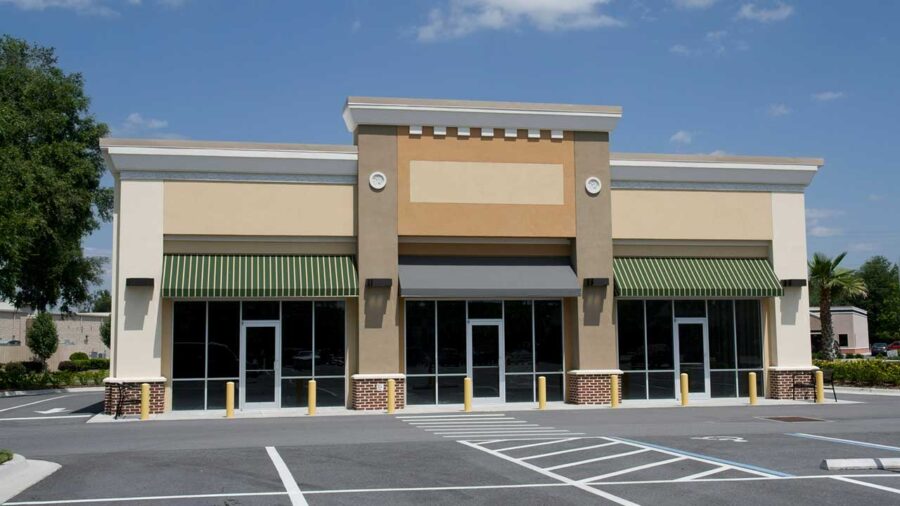
Grocery Store Financing
Loan Programs We Use for Grocery Stores
US Professional Funding offers a comprehensive range of financing solutions tailored specifically for grocery store businesses. SBA 7(a) loans provide flexible financing for grocery store acquisitions, store purchases, refinancing existing business debt, and covering essential operating expenses such as inventory, payroll, renovations, and equipment upgrades including refrigeration and shelving systems. SBA 504 loans are designed for long-term, fixed-rate financing, making them ideal for purchasing real estate, developing new grocery store locations, expanding store footprints, and completing major capital improvements.
Conventional grocery store loans and business lines of credit offer additional structured funding options for both short-term working capital needs and long-term investment strategies. By selecting the right combination of grocery store financing solutions, owners and operators can align their capital structure with business objectives, whether that includes acquiring an existing store, developing a new location, renovating retail space, upgrading equipment, or expanding a multi-location grocery portfolio. The right financing strategy supports improved cash flow stability, stronger operational performance, and sustainable long-term growth in the highly competitive grocery store industry.
Benefits of Proper Financing
Securing the right grocery store financing provides significant advantages for operators and investors looking to grow within the food retail industry. Access to capital enables smooth acquisitions, strategic renovations, and store repositioning while improving operational efficiency, increasing foot traffic, and driving higher average transaction values through enhanced merchandising and product offerings. Well-structured grocery store loans support investment in critical systems and infrastructure, including advanced POS systems, inventory management software, cold storage, and energy-efficient refrigeration. These upgrades help reduce shrinkage, streamline operations, and create a better in-store experience that encourages repeat customers and long-term loyalty. Flexible grocery store financing solutions also allow owners to adapt to changing supplier costs, seasonal demand patterns, and evolving consumer preferences without disrupting cash flow. This flexibility is essential for maintaining margins and staying competitive in a dynamic retail environment. By implementing the right grocery store financing strategy, operators can improve efficiency, increase revenue, and achieve stable, long-term growth across single or multi-location retail portfolios.
Grocery Store Financing Options
US Professional Funding specializes in financing for grocery store businesses, helping investors, operators, and developers fund acquisitions, new store development, and expansion projects across the food retail sector. We understand that financing a grocery store—whether acquiring an existing location, building a new store from the ground up, or refinancing an operating business—can be complex and time-intensive. Our goal is to simplify the commercial lending process by structuring grocery store financing solutions that support long-term growth, improve cash flow, and allow owners to scale efficiently across single or multiple locations.
Our tailored financing solutions offer a range of benefits for grocery store owners and operators:
- Acquisition Financing: Secure funding to purchase existing grocery stores with established customer bases, consistent revenue, and proven cash flow. Financing is typically based on store performance, location strength, and overall operational stability.
- Construction & Development Financing: Obtain capital to develop new grocery store locations, including land acquisition, construction costs, buildout, permitting, and full project funding for retail and storage infrastructure.
- Bridge Financing: Access short-term capital to stabilize, reposition, or improve underperforming grocery stores before transitioning into long-term financing. Often used for turnaround situations or ownership transitions.
- Refinancing: Refinance existing grocery store debt to improve cash flow, reduce interest costs, restructure obligations, or access capital for upgrades such as refrigeration systems, inventory expansion, or store improvements.
- Value-Add & Expansion Financing: Access capital to enhance store performance through renovations, updated layouts, expanded product offerings, prepared food sections, or multi-location growth strategies designed to increase sales and customer retention.
Grocery Store Investment & Performance
Grocery stores remain one of the most resilient and essential investment opportunities in the food retail industry, offering consistent revenue and reliable performance across economic cycles. Investors are drawn to grocery store businesses due to steady customer demand, high transaction volume, and diversified income streams from fresh foods, packaged goods, and prepared meals—all of which support dependable cash flow and long-term stability. Key performance metrics such as sales per square foot, gross margins, inventory turnover, and net operating income (NOI) are critical when evaluating both grocery store financing eligibility and overall profitability. Stores in high-traffic locations with strong demographics and well-optimized product mixes tend to deliver consistent results, making them attractive income-producing assets for lenders and investors. Many investors pursue value-add grocery store opportunities by acquiring underperforming locations and improving performance through store layout enhancements, expanded product offerings, higher-margin departments (such as deli and prepared foods), and more efficient inventory and pricing strategies. When paired with the right grocery store financing strategy, these improvements can increase revenue, boost customer retention, and enhance overall asset value. Whether acquiring a single location or expanding a multi-store portfolio, success depends on understanding financial performance, local market demand, and growth potential. With the right approach to grocery store financing, investors can build scalable, high-performing operations and achieve long-term success in the competitive retail market.
Franchises
US Professional Funding provides specialized financing solutions for grocery store franchise operators, helping individuals and investors fund acquisitions, new store development, refinancing, and expansion across a wide range of established food retail franchise brands. Whether you are purchasing an existing franchised grocery location, launching a new store, or expanding into multiple units, we understand the unique structure and requirements of franchise-based grocery operations. Our goal is to streamline the lending process with customized financing solutions that support long-term growth, improve cash flow, and allow operators to scale efficiently. Our financing programs are designed to support the full lifecycle of grocery franchise ownership, including acquisition financing based on store performance and brand strength, development financing for new locations including buildout and equipment, bridge financing for store transitions or repositioning, and refinancing solutions to improve loan structure and access equity. We also provide capital for inventory expansion, store upgrades, and multi-unit growth strategies to drive revenue and operational efficiency.
- Discount and value grocery franchises: Bargain Market, Grocery Outlet, Save A Lot, Price Rite Marketplace
- Convenience and small-format grocery franchises: 7-Eleven, ampm, Circle K, ExtraMile
- Mid-size and neighborhood grocery franchises with strong local market presence
- Specialty grocery franchises: organic markets, health-focused stores, and ethnic food retail concepts
- Emerging grocery franchise brands offering scalable multi-unit opportunities
- Franchise acquisition financing for single-store and multi-location operators
- Ground-up development financing including buildout, refrigeration, shelving, and equipment
- Bridge financing for store improvements, transitions, or operational stabilization
- Refinancing solutions to optimize debt and improve liquidity
- Expansion financing for multi-unit franchise growth and long-term portfolio development
Strategic Planning for Success
Before pursuing financing, owners and investors should evaluate current business performance, store valuation, and plans for expansion, renovations, or operational improvements. Understanding these fundamentals helps position the business as a strong candidate for grocery store loans and improves access to favorable terms. A well-structured grocery store business plan is essential. It should outline projected cash flow, sales trends, inventory turnover, gross margins, and clear growth strategies. This allows lenders to assess the stability, profitability, and scalability of the operation within the competitive food retail industry. Supporting documentation—such as financial statements, sales history, and inventory data—further strengthens the financing profile and demonstrates consistent demand. These factors play a key role in securing competitive grocery store financing solutions. Working with experienced advisors like US Professional Funding ensures each project is aligned with the most suitable loan structure, whether for acquisitions, new store development, refinancing, or renovations and equipment upgrades. With the right preparation and financing strategy, grocery store operators can improve efficiency, enhance cash flow, and build scalable, long-term success.