
Financing a winery or vineyard property is a critical step for entrepreneurs and investors looking to enter or expand within the wine and agricultural real estate sector. Access to winery and vineyard financing provides the capital needed to acquire vineyard land, develop winemaking facilities, expand production capacity, renovate tasting rooms, purchase equipment, and support long term agricultural operations. With the right financing structure, owners and operators can launch new winery projects, expand vineyard acreage, refinance existing debt, or reposition underperforming properties while maintaining strong cash flow and long term scalability. These financing solutions support both agricultural production and hospitality driven revenue streams common in the wine industry. Demand for winery and vineyard financing continues to grow due to strong market fundamentals, including increasing interest in premium wines, agritourism experiences, and diversified income from direct to consumer sales, distribution channels, and tasting room operations. This makes wineries and vineyards a highly specialized and attractive asset class within agricultural and commercial real estate lending. Whether acquiring vineyard land, building production facilities, expanding operations, or upgrading existing assets, structured financing plays a key role in improving efficiency, increasing output, and supporting long term portfolio growth within the evolving wine and vineyard industry.
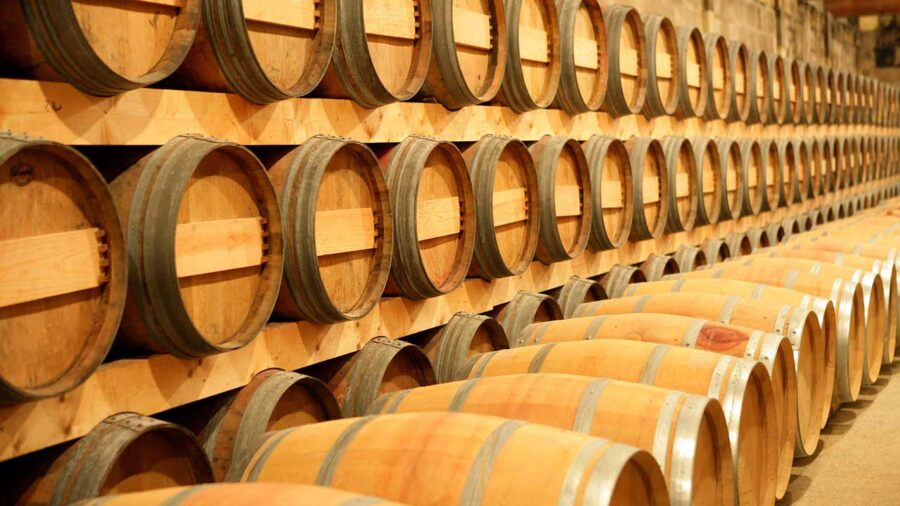
Winery & Vineyard Business Financing Made Simple
Loan Programs We Use for Winery & Vineyard
US Professional Funding offers a comprehensive range of financing solutions tailored specifically for wineries and vineyard operations. SBA 7(a) loans provide flexible financing for acquiring vineyard land, purchasing existing wineries, refinancing debt, and covering essential operating expenses, equipment, and facility upgrades. SBA 504 loans are designed for long-term, fixed-rate financing, making them ideal for land acquisition, winery construction, production facility expansion, and major capital improvements.
Conventional business loans and lines of credit offer additional structured funding options for working capital, seasonal production needs, inventory management, and long-term growth strategies. By selecting the right financing approach, winery and vineyard owners can align capital with business goals—whether expanding vineyard acreage, increasing production capacity, upgrading tasting rooms, or scaling distribution. A well-structured financing strategy supports improved cash flow, operational efficiency, and sustainable long-term growth in the wine industry.
Benefits of Proper Financing
Securing the right financing for wineries and vineyards provides significant advantages for owners, growers, and operators across the wine and agricultural real estate sector. Access to structured capital supports the acquisition, expansion, and improvement of vineyard properties while enhancing production capacity, operational efficiency, and overall revenue potential through vineyard development, facility upgrades, and tasting room enhancements. Well structured financing also enables investment in modern winemaking equipment, agricultural technology, irrigation systems, energy efficient improvements, and guest experience amenities. These enhancements strengthen brand positioning, improve product quality, and increase direct to consumer sales through tasting rooms, online channels, and distribution networks. In addition, flexible financing solutions help operators manage seasonal production cycles, adapt to shifting market demand, handle unexpected capital needs, and support ongoing expansion without disrupting operations or cash flow. This adaptability is essential in an industry heavily influenced by agriculture, tourism, and consumer trends. With the right capital strategy, winery and vineyard operators can improve operational performance, expand distribution reach, and build long term stability. Structured financing supports sustainable portfolio growth and strengthens competitiveness within the evolving wine and agricultural real estate market.
Winery & Vineyard Financing Options
US Professional Funding specializes in financing for wineries and vineyard operations, making it easier for investors, developers, and operators to fund acquisition, development, expansion, and improvement projects across the wine and agricultural real estate sector. We understand that financing a winery or vineyard—whether purchasing existing vineyard land, developing a new winery from the ground up, or refinancing an established production facility—can be complex and time-consuming. Our mission is to simplify the commercial lending process and provide structured winery and vineyard financing solutions that support long-term agricultural and beverage business growth. As experts in winery financing, vineyard lending, and agricultural real estate capital solutions, we provide tailored support so you can focus on increasing production, strengthening distribution, and scaling your brand.
Our tailored financing solutions offer a range of benefits for owners and operators:
- Acquisition Financing: Secure funding to purchase existing wineries or vineyard properties with established production, land value, and revenue performance. Funding decisions typically consider crop yield potential, brand strength, market demand, and operational efficiency.
- Development Financing: Obtain capital to establish new winery or vineyard projects from the ground up. This includes vineyard planting, land preparation, production facility construction, and full buildout of winemaking operations.
- Bridge Financing: Access short-term capital to stabilize, reposition, or improve winery and vineyard assets before transitioning into long-term funding solutions. Often used for seasonal operations, expansion transitions, or underperforming properties.
- Refinancing: Refinance existing winery or vineyard debt to improve cash flow, reduce financing costs, restructure obligations, or free up capital for expansion, equipment upgrades, or vineyard improvements.
- Value-Add & Expansion Financing: Support improvements such as vineyard expansion, production upgrades, irrigation systems, tasting room enhancements, and operational scaling to increase output, distribution reach, and overall profitability.
Winery & Vineyard Investment
Wineries and vineyards have become one of the most attractive commercial real estate and agricultural asset classes due to strong long term value potential, land based appreciation, and resilience across economic cycles. Investors are drawn to winery and vineyard properties because they generate multiple revenue streams through wine production, tasting room sales, direct to consumer distribution, tourism, and events, often outperforming traditional agricultural assets when professionally managed. Key performance drivers such as crop yield per acre, production efficiency, case and bottle pricing, distribution margins, and net operating income play a central role in evaluating long term profitability and investment performance. Properties with established brands, strong terroir, and proven production history are especially valuable due to their ability to generate consistent demand and premium pricing. Many investors pursue value add winery and vineyard opportunities by acquiring underperforming assets and increasing value through replanting, rebranding, production upgrades, improved vineyard management, expansion of wine tourism, and stronger direct to consumer sales strategies. These improvements can significantly enhance revenue performance, strengthen brand positioning, and increase overall property value. Whether entering the market for the first time or expanding an existing agricultural portfolio, understanding production capacity, varietal performance, market demand, and long term land appreciation is essential. A well structured approach to winery and vineyard investment supports scalable growth, stronger returns, and sustainable long term asset performance.
Strategic Planning for Success
Before seeking winery and vineyard financing, owners and investors should evaluate current financial performance, land and asset valuation, production capacity, and long term expansion or repositioning objectives. Clearly defining whether the project involves acquisition, vineyard development, facility expansion, or operational optimization is essential for building a strong financing strategy. A comprehensive winery business plan should outline projected wine production, vineyard yield per acre, distribution strategy, tasting room and direct to consumer revenue, and overall sales growth projections. Additional considerations such as seasonal growing cycles, varietal performance, production costs, and market demand are critical for accurately forecasting long term profitability. Understanding operational inputs like labor requirements, irrigation efficiency, harvest timing, and production scalability also plays an important role in evaluating business viability and lender readiness. Properties with clear production strategies and diversified revenue channels are typically better positioned for financing approval. Consulting with financing specialists at US Professional Funding helps align each winery or vineyard project with the most suitable capital structure, whether for land acquisition, vineyard expansion, facility upgrades, or operational improvements. With strategic planning and the right financing approach, operators can improve production efficiency, stabilize cash flow, enhance brand value, and achieve sustainable long term growth within the wine and agricultural real estate market.