Should an HVAC or Plumbing Company Own Its Shop? Buy vs. Lease
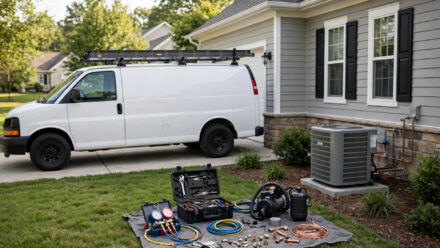
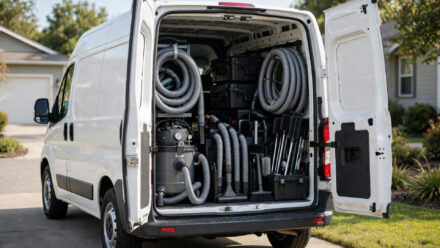
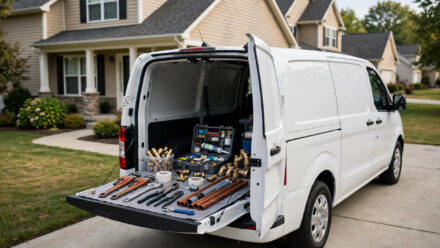
Most HVAC and plumbing companies start in a garage, a rented bay or a small flex unit. As they grow, they need more: secure parking for service vehicles, warehouse space for equipment and parts, room for fabrication or pipe storage, offices for dispatch and customer service and sometimes a training area for technicians. At some point, many established owners ask whether they should keep leasing or buy a building of their own.
This HVAC and plumbing shop buy vs lease guide provides a framework for that decision for established operators, buyers of a company whose seller owns the shop and owners planning a future sale or succession. For details on financing owner-occupied contractor facilities, see our HVAC and plumbing real estate expansion page.
What Contractors Need From a Facility
- Vehicle parking and access: secure, well-lit parking for the fleet, with easy access to main roads.
- Warehouse space: room for equipment, parts and materials, with loading capability for deliveries.
- Yard or outdoor storage: for pipe, trailers or excavation equipment, where zoning allows.
- Offices: dispatch, customer service, estimating and management.
- Shop space: fabrication, sheet metal work or equipment staging.
- Zoning: contractor yards and outdoor storage are not permitted everywhere.
Buildings that meet all of these needs can be hard to find, which is one reason some contractors decide to buy when the right property appears.
The Case for Leasing
- Capital stays in the business for technicians, vehicles, inventory and working capital.
- Flexibility to relocate or expand as the company grows or its service area shifts.
- Lower upfront cost and fewer ownership responsibilities, depending on the lease.
- Useful for growing companies that are likely to outgrow a building within a few years.
The Case for Owning
- Control of the location and protection from rent increases and non-renewal.
- Predictable occupancy costs with fixed-rate financing, though taxes, insurance and maintenance still change.
- Freedom to modify the building for shop, storage and office needs.
- Equity built through loan payments on an asset that may appreciate.
- Exit and retirement options: sell the company and building together, or keep the building and lease it to the buyer or successor.
The Trade-Offs
Owning concentrates more wealth in one property, adds responsibility for roofs, paving and building systems and requires a larger upfront investment. The down payment can reduce working capital a contractor needs for payroll, parts and slow seasons. Leasing avoids these issues but exposes the company to rent increases, landlord decisions and the risk of having to move a fleet and warehouse on short notice.
Questions to Guide the Decision
- How long do you expect to operate from this area?
- Is the company likely to outgrow the building soon?
- Would the down payment leave the company short of working capital?
- Does the property meet zoning, parking and storage needs today and in the future?
- Could the building be leased or sold to another business later?
- Are you planning add-on acquisitions or branches that may change where you need space?
- What is your exit or succession plan?
If you are considering acquisitions or branches, see our guide to HVAC add-on acquisitions before committing to a property.
Running the Numbers
Compare total occupancy costs rather than rent against a loan payment alone. Under a lease, include base rent, scheduled increases, pass-through charges and any repair obligations. Under ownership, include principal and interest, property taxes, insurance, maintenance, reserves for major repairs and the opportunity cost of the down payment. Then test each scenario against a slow season. Owners can estimate payments with our conventional loan calculator.
Holding the Building Separately
Many owners who buy their shop hold it in a separate company that leases it to the operating business. This can separate real estate from operating risks, simplify a future sale of either the company or the building and support estate and succession planning. The lease between the two companies should have reasonable, documented terms because buyers and lenders will review it. See HVAC and plumbing succession planning for how real estate often fits into internal transitions.
When the Seller Owns the Shop
If you are buying an HVAC or plumbing company whose owner holds the real estate, you can buy both, buy the company and lease the building from the seller or negotiate a lease with an option to purchase later. If the seller has charged little or no rent, the company’s earnings should be adjusted to market rent before valuing the business separately.
How Lenders View Contractor Real Estate
Lenders and appraisers consider the property’s location, condition, zoning, how easily it could be used by another business and the operating company’s cash flow supporting the payments. Financing options for owner-occupied contractor facilities may include SBA 504 loans and conventional real estate loans, subject to eligibility and occupancy requirements.
Frequently Asked Questions
Is it better for an HVAC or plumbing company to rent or own its shop?
It depends on the company’s stage, growth plans, capital and the property’s suitability. Owning provides control; leasing preserves capital and flexibility.
Can I buy the building my company leases?
If the landlord will sell, yes. Some leases include purchase options or rights of first refusal.
Can a contractor shop be financed separately from the business?
Yes. Owner-occupied contractor property is commonly financed with its own real estate loan, alone or together with an acquisition.
Financing Owner-Occupied Contractor Facilities
US Professional Funding helps established HVAC and plumbing operators and qualified buyers finance owner-occupied shops and facilities, alone or together with a business acquisition. Contact us to discuss your facility plans.