How to Buy an HVAC Company: Deal Steps, Licensing and Financing
Buying an established heating, ventilation and air conditioning company gives you what a new shop cannot: a customer list that already calls when a system fails, technicians who know the equipment in the service area, trucks on the road, relationships with distributors and a financial history you can study. For an experienced technician, an operations manager from the trades or a business buyer with strong management skills, an acquisition can be a faster and more predictable path to ownership than building a company one service call at a time.
HVAC companies also carry risks that are easy to miss. Revenue swings with the weather. Much of the value can sit in maintenance agreements that may or may not renew. The license that allows the company to operate may belong to the seller personally. Key technicians may leave for a competitor the week the sale is announced. Buying well means understanding what you are really acquiring, confirming that the revenue will stay after closing and structuring a deal that a lender and you can both support.
This guide walks through how to buy an HVAC company, from defining the right target to the first season of ownership. Plumbing companies raise different issues, covered in our guide on how to buy a plumbing business.
What You Are Actually Buying
- The customer base and goodwill: residential and commercial customers, service history, reputation, phone number, website and referral relationships.
- Recurring revenue: maintenance agreements and service plans that bring customers back for seasonal tune-ups and create replacement opportunities.
- The workforce: installers, service technicians, dispatchers, customer service staff and any comfort advisors who sell replacement systems.
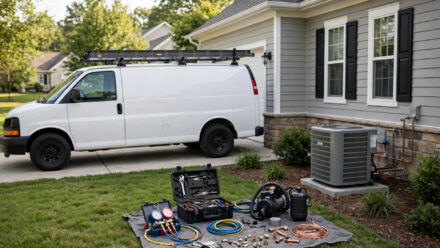
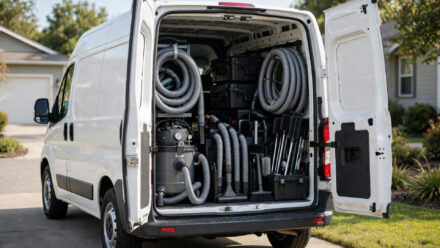
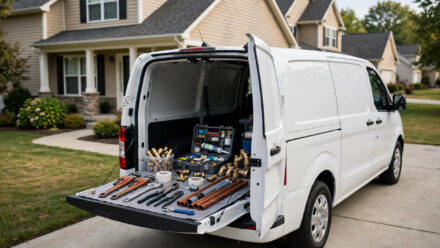
- Vehicles, tools and inventory: service vans and trucks, recovery machines, diagnostic tools, lifts and a stock of parts and equipment.
- Systems and relationships: dispatch and customer software, pricing, distributor accounts and any manufacturer dealer programs.
- Sometimes real estate: a shop, office or warehouse the seller owns.
The customer base, agreements and technicians usually matter more to value than the trucks and tools, and they are also the parts most likely to walk away if a transition is handled poorly.
Step 1: Define the HVAC Company You Can Run Well
HVAC businesses differ more than their similar-looking trucks suggest. Before looking at listings, decide on:
- Residential or commercial focus: residential service and replacement is driven by homeowners and seasonal demand; commercial service involves building owners, property managers and larger rooftop and system work.
- Service and replacement or new construction: companies focused on service, repair and replacement usually have steadier margins than those dependent on builders.
- Your role: licensed technician-owner, general manager or owner supported by an operations manager.
- Territory: the area you can serve efficiently, and whether it overlaps with a company you already own.
A lender financing the purchase is relying on the company’s existing results. If you plan to change the service area, pricing or business model significantly, historical results become less predictive.
Step 2: Screen Opportunities Early
HVAC companies come to market through business brokers, industry contacts, distributors, accountants and direct conversations with owners approaching retirement. Before spending heavily on any one target, ask for several years of tax returns and profit and loss statements, year-to-date results, a summary of maintenance agreements, a vehicle list and a description of the owner’s role and licensing. An owner who cannot provide basic records after signing a confidentiality agreement is a caution sign.
Step 3: Understand the Revenue and Its Seasonality
HVAC revenue is shaped by the weather. Hot summers and cold winters drive repair calls and system replacements, while mild shoulder seasons slow demand. Look at monthly revenue across several years, not just annual totals, and separate:
- service and repair revenue
- replacement system installations
- maintenance agreement revenue
- new construction work
- commercial service contracts and project work
Adjust reported profit for the owner’s compensation, personal expenses and one-time costs. If the owner runs calls, sells replacements or covers after-hours emergencies without market pay, the new owner will either do that work or pay someone to do it. Our guide to HVAC business valuation explains how buyers and lenders make these adjustments.
Step 4: Evaluate Maintenance Agreements
Maintenance agreements are often the most valuable part of an HVAC company because they create predictable visits, strengthen customer loyalty and lead to repair and replacement work. They are also frequently overstated. Confirm how many agreements are active and paid, how many renewed last year, what each agreement obligates the company to provide and whether any were prepaid. Our article on HVAC service agreements covers how to evaluate them in detail.
Step 5: Confirm Licensing Before You Commit
Most states and many localities require HVAC contractors to hold a license, and many require the business to have a qualifying license holder. In many small companies that person is the seller. Licenses generally belong to individuals and do not automatically transfer with the business. Refrigerant handling also requires technician certification under federal rules. Before signing a letter of intent, understand who will hold the qualifying license after closing and how long the transition will take. See our guide to HVAC and plumbing license transfer.
Step 6: Make an Offer and Sign a Letter of Intent
A letter of intent typically covers price, included assets, structure, financing and licensing contingencies, the due diligence period and closing timeline. HVAC-specific terms to address include:
- treatment of prepaid maintenance agreements and open customer deposits
- responsibility for warranty work and callbacks on installations completed before closing
- which vehicles and equipment are owned, leased or financed
- the seller’s transition role, especially if they hold the license
- non-compete and non-solicitation of customers and employees
- any seller financing and its terms
Step 7: Conduct Due Diligence
Due diligence tests what the seller has told you. For an HVAC company, it includes reconciling revenue with bank deposits, reviewing agreements and customer data, confirming licensing, reviewing technician pay and tenure, inspecting vehicles and inventory, and understanding open jobs and warranty exposure. Our HVAC and plumbing due diligence checklist organizes these areas.
Step 8: Arrange Financing
HVAC acquisitions are commonly financed with a combination of buyer equity, an SBA-guaranteed or conventional loan and sometimes a seller note. Lenders typically focus on:
- documented historical cash flow and whether it supports the new debt with a cushion, including in a mild-weather year
- the stability of maintenance agreement and service revenue
- the buyer’s industry and management experience
- the licensing plan after closing
- technician retention and owner dependence
- existing vehicle and equipment loans
- working capital available for payroll, parts and seasonal slowdowns
Many buyers use SBA loans for HVAC and plumbing businesses, while experienced operators with strong financials may use conventional acquisition financing. You can estimate payments on different structures with our SBA loan calculator.
Step 9: Plan the Transition
Customers and technicians both watch closely after a sale. Plan how and when employees will be told, how the seller will introduce you to key customers and commercial accounts, how phone numbers, dispatch software and distributor accounts will move, and how the maintenance agreement schedule will continue without gaps. Timing the closing before a peak season can help new owners start with revenue, but it can also mean learning the business at its busiest. Many buyers prefer to close in a shoulder season with a strong transition plan.
The First Season of Ownership
The strongest acquisitions protect what already works. Keep pricing, service standards and key people stable at first. Make sure every maintenance agreement visit is scheduled and completed. Meet with technicians individually. Watch cash closely through the first slow season, and keep working capital in reserve for vehicle repairs, payroll and inventory.
Common Mistakes When Buying an HVAC Company
- counting maintenance agreements that have expired or were never paid
- overlooking that the seller holds the only qualifying license
- judging revenue from one unusually hot or cold year
- underestimating how much revenue depends on the seller or one top technician
- ignoring warranty and callback exposure on recent installations
- spending all available cash at closing
Frequently Asked Questions
Do I need to be a licensed HVAC contractor to buy an HVAC company?
Not necessarily, but the company usually needs a qualifying license holder to operate. Buyers without a license often rely on a licensed manager, a partner or the seller during a transition, depending on state and local rules.
Is it better to buy an HVAC company or start one?
Buying provides customers, technicians, agreements and an operating history, which makes performance and financing easier to evaluate. Starting from scratch offers control but carries more risk and no track record.
How does seasonality affect financing?
Lenders review several years of results to see how the company performs across different weather patterns and want to see enough cash flow and working capital to cover slower months.
Financing Your HVAC Acquisition
US Professional Funding helps qualified buyers finance the acquisition of established HVAC companies, including goodwill, vehicles and equipment within the transaction, owner-occupied real estate where appropriate and working capital. Learn more about our HVAC and plumbing acquisition financing.