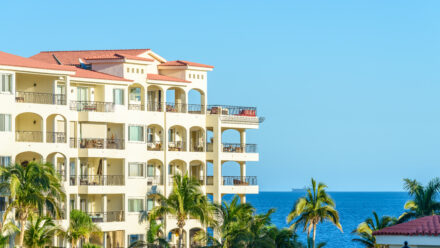
How to Buy a Hotel or Motel: Deal Steps, Brand Approval and Financing
Buying an existing hotel or motel gives you something a new property cannot: guest rooms that are already built, a booking history you can study, staff who know the property and a place in its local market. It also means buying two things at once. A lodging property is both commercial real estate and an operating business, and lenders, sellers and brands look at both.
This guide explains how to buy a hotel step by step, from defining what you want to closing and taking over operations. It applies to branded hotels, independent hotels and motels of many sizes. If you are specifically looking at a smaller independent or owner-operated motel, see our companion guide to buying a motel.
Step 1: Decide What Kind of Property Fits Your Goals
Lodging properties vary widely. Before searching, consider:
- Branded or independent: A branded hotel operates under a franchise or license agreement with a hotel brand. An independent property sets its own standards and marketing. Each has different costs, flexibility and financing considerations. Our guide to branded vs independent hotels compares them.
- Service level: Limited-service and select-service properties generally have simpler operations than full-service hotels with restaurants, meeting space and larger staffs.
- Demand drivers: Highway travelers, business travel, tourism, events, universities, hospitals or extended stays each create different patterns of demand and seasonality.
- Your role: Will you manage the property yourself, hire a general manager or use a third-party management company?
Step 2: Evaluate Performance and Price
Hotel performance is usually discussed in terms of occupancy, average daily rate and revenue per available room, along with departmental expenses and net operating income. When reviewing a listing, ask for several years of operating statements, monthly results to understand seasonality and any market performance reports the seller has. Our guide to hotel valuation explains how real estate value and business value fit together and how lenders test the price.
Step 3: Make an Offer and Sign a Letter of Intent
A letter of intent typically covers the price, what is included (real estate, furniture, fixtures and equipment, the business and any goodwill), the deposit, the due diligence period, financing and brand-related contingencies and the expected closing date. For branded properties, the timeline should allow for the brand’s change-of-ownership process.
Step 4: Plan for Brand Approval and Property Improvements
When a branded hotel changes hands, the buyer usually needs approval from the brand to continue operating under its flag. The brand may require an application, review the buyer’s experience and finances and issue a property improvement plan, or PIP, listing renovations and upgrades the new owner must complete. Approval and the scope of any PIP are determined by the applicable brand and are never guaranteed.
Because a PIP can significantly affect the total project cost, buyers should understand it before finalizing price and financing. Our guide to hotel PIP financing explains how these improvement requirements are commonly planned and funded.
Step 5: Complete Due Diligence
Hotel due diligence typically includes financial verification, review of the franchise or license agreement, property condition and environmental reports, a review of furniture and equipment, staffing, contracts, licenses and permits, and the property’s online reputation and booking channels. Our hotel due diligence checklist covers each area in detail.
Step 6: Arrange Financing
Hotel acquisitions are commonly financed with buyer equity, an SBA-backed or conventional loan and sometimes seller financing. Lenders generally review:
- Historical operating results and how they support the proposed debt
- The appraisal, which usually considers both the real estate and the going-concern business
- The buyer’s hospitality experience or management plan
- The brand’s approval and the cost and timing of any PIP
- The buyer’s equity contribution and personal financial strength
Many buyers start with our guide to SBA loans for hotels, which explains how 7(a) and 504 financing are commonly used, subject to program rules and lender review. Actual terms depend on the lender, the borrower and the transaction.
Step 7: Close and Transition Operations
Closing a hotel purchase involves transferring the real estate and operating assets, updating licenses and permits as required by the jurisdiction, transferring or replacing contracts and booking-channel accounts, arranging insurance and handling staff transitions. A well-planned transition protects reservations already on the books, keeps guest service consistent and helps the property avoid disruptions in reviews or bookings.
Common Mistakes When Buying a Hotel
- Underestimating the cost and timing of a brand-required PIP
- Relying on annual results without studying monthly seasonality
- Overlooking deferred maintenance or aging building systems
- Assuming brand approval will be automatic
- Leaving too little working capital for the first months of ownership
- Not planning how the property will be managed day to day
Buying the Right Property for Your Plan
Learning how to buy a hotel is really learning to evaluate a building, a business and, often, a brand relationship at the same time. Buyers who understand performance, plan for improvement requirements, complete thorough diligence and structure financing around realistic cash flow are best positioned for a successful acquisition.
US Professional Funding works with buyers and established owners on financing for existing hotel and motel acquisitions. Learn more about our hotel and motel acquisition financing.