Winery Due Diligence Checklist for Buyers
By the time a buyer signs a letter of intent on a winery, they have usually walked the vineyard, tasted the wines and reviewed a summary of sales. Winery due diligence is the stage where those impressions are tested against records, permits, contracts and inspections. A thorough review can help a buyer confirm what it is paying for, identify issues to address in the purchase agreement and give its lender the information needed to evaluate the loan.
This checklist is general information for buyers of existing, operating wineries and vineyards. It is not exhaustive, and every transaction is different. Alcohol, land use, water, environmental and employment matters vary by state and locality and should be reviewed with qualified attorneys, accountants and other professionals. Nothing here is legal, tax or regulatory advice.
Financial Records
- Several years of tax returns and financial statements that reconcile with each other
- Sales by channel: tasting room, wine club, direct shipping, wholesale, events and grape sales
- Cost of goods and how inventory costs are tracked across vintages
- Excise tax filings and payment history, reviewed with an accountant
- A complete schedule of existing debt, liens and leases
Permits, Licenses and Compliance
- All federal, state and local permits and licenses, including tasting room and shipping approvals
- Label approvals and any compliance notices or audits
- A plan for the buyer’s own applications; see our article on winery permits and licenses
Vineyards and Water
- Vineyard maps, varieties, vine age and condition, and harvest records
- Water sources, rights and any limits, reviewed with qualified counsel
- Grape purchase or sale contracts and their terms
See our article on buying a vineyard for more detail.
Wine Inventory
- Bulk wine by lot, vessel and vintage, plus bottled case goods
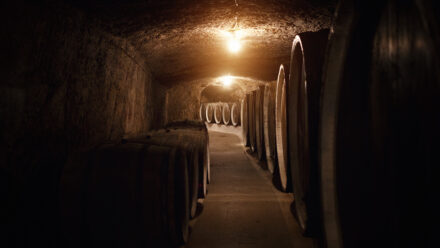
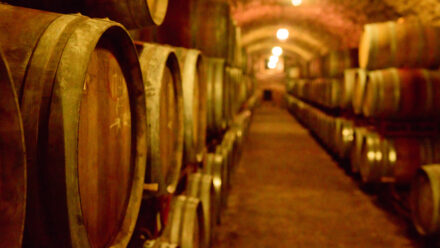
- Barrel inventory and condition
- Wine held at distributors, warehouses or custom crush facilities
- An agreed method for counting and tasting before closing
Our article on wine inventory at closing explains how this is frequently handled.
Customers and Channels
- Wine club membership history, including joins, cancellations and shipment acceptance
- How customer data is collected and stored, reviewed with counsel for privacy matters
- Distributor agreements, territories and termination provisions
- Event and wedding contracts already booked for future dates
See our articles on winery direct-to-consumer sales and winery distributor relationships.
Real Estate, Zoning and Facilities
- Title, surveys, easements and any conservation or agricultural restrictions
- Zoning and use approvals for production, tasting and events; see our article on winery zoning and event use
- Condition of buildings, cellars, crush pad, wastewater systems and utilities
- Any environmental reports, reviewed with qualified professionals
People
- Organization chart, including the winemaker, vineyard manager and tasting room leaders
- Employment agreements, seasonal labor arrangements and any contractor relationships
- Worker classification and housing questions, reviewed with qualified professionals
Insurance and Risk
- Property, crop, liability and liquor liability coverage and claims history
- Records of past weather or harvest losses, described by the seller and supported by documents
Using Diligence Findings
Diligence rarely produces a perfect picture. Findings may lead a buyer to renegotiate price, ask the seller to resolve issues before closing, add specific representations to the purchase agreement or hold back part of the price. Sharing organized findings with the lender can also help the loan review move forward.
US Professional Funding helps buyers finance the acquisition of existing, operating wineries and vineyards. Learn more about our winery and vineyard acquisition financing.