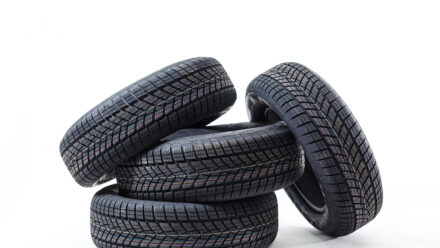
Scrap Tire Disposal and Environmental Review When Buying a Tire Dealership
Every tire a dealer installs usually means an old tire coming off a vehicle. Those used and scrap tires must be stored, transported and disposed of in line with state and local rules, and many states regulate who may haul them and what records must be kept. Tire dealers that also perform automotive service handle oil, fluids and batteries as well. A scrap tire disposal review helps a buyer understand how the business has handled these obligations and whether any issues could follow the business or the property after closing.
This article is general information for buyers of existing, operating tire dealerships. Scrap tire and environmental rules vary by state and locality and change over time. It is not legal, environmental or regulatory advice, and buyers should rely on qualified attorneys and environmental professionals for any assessment.
Why Scrap Tire Handling Matters to a Buyer
- Improper storage or disposal may lead to fines, cleanup obligations or problems with regulators
- Large piles of stored tires can raise fire, pest and nuisance concerns
- Some states require registrations, permits, manifests or fees that a new owner may need to obtain or continue
- Disposal costs affect the business’s operating expenses and pricing
What Buyers Frequently Review
- Hauler arrangements: who removes scrap tires, how often and whether the hauler appears to be properly registered where required
- Records: manifests, receipts or logs showing quantities removed and where they went, if required by the state
- On-site storage: how used tires are stored, how much accumulates and whether storage appears to follow applicable rules
- Customer fees: how disposal fees are charged and whether any state fee collection or reporting applies
- Inspections and notices: any history of inspections, violations or complaints
Other Environmental Matters at Service Locations
Dealers with service bays may handle used oil, antifreeze, batteries, solvents and parts, and some properties have in-ground lifts, floor drains or separators. These features do not mean a property has a problem, but they are reasons to look carefully. Our article on auto repair shop environmental review discusses these service-related questions in more detail.
Leasing vs. Buying the Property
If the buyer is leasing, the lease may assign responsibility for environmental conditions to the tenant, so the buyer should understand the property’s history before taking over. If the buyer is purchasing the real estate, lenders may require an environmental review before approving a loan. Financing for owner-occupied property may include options such as SBA 504 business real estate loans, subject to eligibility, program rules and lender review.
How Findings May Affect a Deal
Depending on what the review shows, the parties may negotiate cleanup of stored tires before closing, adjust the price, add specific representations or indemnities or, in some cases, decide not to proceed. These terms should be prepared with counsel.
What Lenders May Require
Lenders may ask about disposal practices and, where real estate is involved, require environmental reports as a condition of financing. Requirements differ by lender and program. See our articles on tire dealer loan requirements and SBA loans for tire dealers.
Including Disposal in Due Diligence
Scrap tire handling should be one item on a broader checklist that includes financial records, inventory, supplier agreements and the facility. Our tire dealership due diligence checklist covers the full review.
US Professional Funding helps buyers finance the acquisition of existing, operating tire dealerships and can coordinate with the professionals reviewing a transaction. Learn more about our tire dealer acquisition financing.