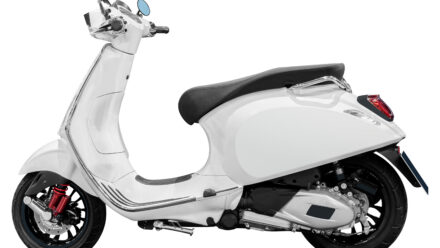
The Powersports Service Department and Technician Retention in a Sale
Units bring riders through the door once; the shop can bring them back for years. Pre-season service, repairs, warranty work, accessory installs and winterization can keep a store busy when unit sales slow. But a powersports service department is only as strong as the technicians who staff it, and skilled technicians who can work across engines, electronics and several product categories can be hard to find. For buyers, the shop is both a source of value and a source of transition risk.
This article is general information for buyers and sellers of existing, operating powersports dealerships. Employment, compensation and worker classification matters vary by state and should be reviewed with qualified attorneys and accountants. Nothing here is legal, tax or employment advice.
What the Shop Contributes
- Customer-pay repairs and maintenance: work billed directly to riders
- Warranty repairs: work reimbursed by manufacturers under their claim procedures
- Accessory installation: labor tied to accessory sales, such as plows, winches and audio
- Pre-delivery and reconditioning: setting up new units and preparing trade-ins for resale
- Seasonal services: winterization, storage preparation and spring readiness checks
How Buyers Evaluate the Shop
Buyers frequently review repair order history, the mix of customer-pay and warranty work, technician productivity, backlog and how the shop performs through each season. A shop with a steady base of customer-pay work may be viewed differently from one that depends heavily on warranty claims or internal reconditioning. Our guide to powersports dealership valuation explains how department earnings fit into value.
Technician Retention
Technicians may have relationships with long-time customers, manufacturer training credentials and knowledge of how the shop really runs. A sale can unsettle them. Steps buyers and sellers may consider include:
- Meeting key technicians and the service manager before closing, when appropriate and under confidentiality
- Reviewing pay plans, whether flat-rate, hourly or hybrid, and avoiding abrupt changes
- Continuing support for manufacturer training and certifications
- Considering retention arrangements for key staff, structured with qualified advice
- Keeping tools, lifts and diagnostic access in working order
Worker classification and any non-compete or non-solicitation terms should be reviewed with qualified professionals.
Warranty Claims and Receivables
At closing, the store may have warranty claims submitted but not yet paid, and repair orders in progress. The purchase agreement should state who owns these receivables, who completes open work and how customer deposits are treated. Claim history and any chargebacks should be reviewed in diligence.
Safety Campaigns
Manufacturers sometimes issue safety campaigns that dealers perform. Buyers should understand open campaigns and how the store has handled them. Product-safety and campaign obligations should be reviewed with qualified counsel.
Shop Space and Facilities
Bay count, lifts, storage for customer units and environmental handling of fluids all affect capacity. See our article on powersports dealership real estate.
The Shop in the Bigger Picture
Buyers working through a purchase can see where the shop fits in our guide on how to buy a powersports dealership. Owners planning an exit can read how to sell a powersports dealership and prepare the service team for a transition.
Working Capital for the Shop
Payroll for technicians continues through slow periods, and parts for repairs must be stocked. See our page on powersports dealership working capital and lines of credit.
US Professional Funding helps buyers finance the acquisition of existing, operating powersports dealerships, including stores whose service departments are central to their earnings. Learn more about our powersports dealership acquisition financing.