Pest Control Due Diligence Checklist for Buyers
Once a buyer and seller agree on general terms, due diligence is where the buyer confirms what they are actually acquiring. For a pest control company, that means testing the customer base, not just counting it, and reviewing licensing, regulatory history, termite warranties, technicians, vehicles, chemical storage and insurance. Thorough pest control due diligence also gives lenders the documentation they need to evaluate the loan.
This checklist is a general guide for buying an existing, operating pest control company. Requirements vary by state and transaction, and buyers should work with qualified attorneys, accountants, insurance and environmental professionals. Nothing here is legal, tax, regulatory or environmental advice.
Financial Records
- Business tax returns and financial statements for several years, plus year-to-date figures
- Revenue by service type, by customer type and by month
- Accounts receivable aging and collection history
- Documentation for every proposed add-back or owner adjustment
- Bank statements to reconcile reported revenue
- All existing debt, leases and liens, including any merchant cash advances or other financing
Our guide to pest control business valuation explains how these records feed into value.
Customers and Service Agreements
- A customer list with service type, frequency, price, start date and payment method
- Cancellation and retention history over several years
- Sample written service agreements and their renewal and cancellation terms
- Commercial contracts, including term, pricing and any assignment provisions
- Revenue concentration among the largest accounts
Our guide to pest control recurring revenue explains how to evaluate this information.
Termite Warranties
- A list of active termite warranties, their terms and renewal status
- Claim, retreatment and repair history
- Sample warranty contracts, reviewed by counsel
See our article on termite warranty obligations.
Licensing and Regulatory History
- Business licenses and individual applicator certifications, and who holds each
- Whether the qualifying individual will remain after closing
- Records the company is required to keep, such as application records, reviewed for completeness
- Any inspections, complaints, violations or enforcement actions
Licenses should not be assumed to transfer. See our article on pest control license transfer.
Technicians and Staff
- Employee roster with roles, tenure, certifications and pay structure
- Sales and commission arrangements
- Training and safety records
- Any employment agreements or restrictive covenants, where enforceable
- How workers are classified, which should be reviewed with qualified professionals
See our guide to pest control technician retention.
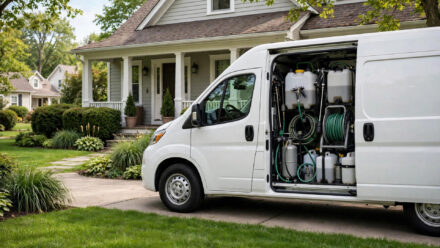
Vehicles, Equipment and Facilities
- Vehicles with titles, condition and any liens
- Chemical storage areas and practices, reviewed with qualified professionals
- Facility lease or ownership, and any environmental review the buyer or lender requires
Insurance and Legal
- Current insurance policies and claims history, reviewed with an insurance professional
- Pending or threatened lawsuits, claims or disputes
- Software, routing and billing systems and how customer data transfers
What Lenders Will Request
Lenders typically want tax returns, financial statements, customer and retention data, a debt schedule, the purchase agreement, licensing details and information about the buyer’s experience. Organizing these materials early can help the financing process, though timing depends on the lender and the transaction.
US Professional Funding helps buyers finance the acquisition of existing, operating pest control companies. Learn more about our pest control acquisition financing.