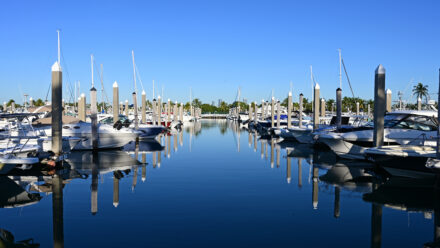
Marina Seasonality, Insurance and Storm Planning for Cash Flow
Many marinas feel the calendar directly. In much of the country, boaters arrive with warm weather, transient traffic and fuel sales concentrate in a few busy months, and activity slows as the season winds down. Meanwhile, payroll, insurance, submerged land rent, utilities and debt payments continue. Coastal marinas may also face storm seasons that bring preparation costs and the possibility of damage. Planning marina seasonal cash flow means understanding when money comes in, when it goes out and how insurance and storm risk fit into the picture.
This article is general information for buyers and owners of existing, operating marinas. It does not provide insurance, legal or tax advice, and seasonal patterns vary widely by region and property. Insurance coverage, availability and lender requirements should be discussed with qualified insurance professionals.
How Seasonality Shows Up in the Numbers
- Seasonal slip and transient income: concentrated in the boating season in many markets
- Annual slip and storage payments: sometimes collected in advance, bringing cash in at particular times of year
- Fuel and rentals: tied closely to boating activity and weather
- Service work: may peak at the start and end of the season with commissioning, haul-outs and winterization
- Fixed costs: insurance, rent, utilities, core staff and debt service continue year-round
Our article on marina slip mix explains how tenant types affect timing, and our guide to marina ancillary revenue covers the other lines.
Review Monthly Results Before Buying
Annual totals can hide seasonal strain. Buyers frequently request several years of monthly financial statements and bank balances to see when cash tightens and how the seller managed it. Prepaid slip and storage income deserves attention: if tenants have already paid for periods after closing, the purchase agreement should address how that cash is handled.
Insurance as a Cash Flow Item
Insurance can be a significant expense for a marina, and renewals may bring changes in premiums, deductibles or coverage terms. Lenders typically require certain coverage as a loan condition. Buyers should ask insurance professionals early in the process what coverage may be available, how storm deductibles work and what the property’s loss history may mean. Insurance costs should be built into projections rather than assumed to stay flat.
Storm Planning
Marinas exposed to hurricanes or severe storms may have written plans for securing docks, hauling or relocating boats, communicating with tenants and protecting staff. Buyers may review the plan, past storm events, recovery costs and how slip agreements allocate responsibilities to boat owners. Recovery after a storm can involve lost revenue while repairs are made, deductibles and expenses not covered by insurance, which is why reserves matter.
Working Capital Planning
Having access to appropriate working capital can help a marina cover slower months, prepare for storm season or manage the timing of insurance payments. Our page on marina working capital and lines of credit explains how we approach these needs. Any line of credit is subject to lender approval and depends on the business’s cash flow.
Staffing Through the Year
Many marinas add seasonal staff for the busy months. Hiring, training and retaining reliable employees affects both service quality and costs. See our article on marina staff retention.
When Payments Stack Up
If seasonal shortfalls lead to short-term borrowing that becomes difficult to manage, owners may want to review their obligations. Our article on marina debt restructuring explains how to approach that review.
How Lenders View Seasonality
Lenders evaluating a marina loan may review monthly cash flow, the timing of debt payments, insurance costs and the buyer’s plan for reserves. Structuring payments and working capital around the marina’s actual seasonal pattern can make a loan request more sustainable.
US Professional Funding helps buyers finance the acquisition of existing, operating marinas, with financing planned around seasonal cash flow. Learn more about our marina acquisition financing.