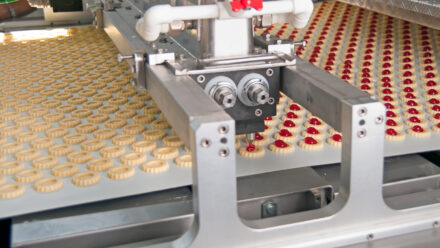
Manufacturing Expansion Financing: Loans for Growth, Equipment & Capacity
Manufacturing businesses often reach a point where additional capital is needed to support growth.
Increasing production capacity, purchasing new equipment, expanding facilities, hiring employees, and entering new markets all require strategic investment.
Manufacturing expansion financing provides businesses with access to capital needed to grow operations while maintaining healthy cash flow.
Whether you are adding a new production line, expanding a facility, purchasing machinery, or increasing inventory, the right financing solution can help your manufacturing company reach its next stage of growth.
For a complete overview of financing options available to manufacturers, visit our Manufacturing Business Loans & Financing page.
What Is Manufacturing Expansion Financing?
Manufacturing expansion financing refers to business funding used to support growth initiatives within a manufacturing company.
Unlike financing used for day-to-day expenses, expansion financing is typically focused on increasing future revenue opportunities.
Manufacturers may use expansion financing for:
- Purchasing new equipment
- Expanding production capacity
- Building or improving facilities
- Hiring additional employees
- Increasing inventory
- Entering new markets
Manufacturing growth projects often require significant upfront investment before generating additional revenue.
Financing allows businesses to make these investments without using all available cash reserves.
Why Manufacturing Companies Need Expansion Financing
Successful manufacturers often need capital to keep up with customer demand and remain competitive.
Common reasons manufacturers seek expansion financing include:
Increasing Production Capacity
Growing demand may require businesses to increase output.
Expansion financing can help manufacturers:
- Add production lines
- Purchase additional machinery
- Improve workflow
- Increase manufacturing capacity
Upgrading Equipment and Technology
Modern equipment can improve efficiency and help manufacturers compete in evolving markets.
Businesses may use expansion financing for:
- Automation systems
- Advanced machinery
- Technology upgrades
- Production improvements
Expanding Manufacturing Facilities
As production increases, manufacturers may require additional space.
Expansion financing may help businesses:
- Build new facilities
- Expand existing buildings
- Purchase additional industrial space
- Improve warehouse capacity
Owning or expanding manufacturing real estate can provide long-term operational advantages.
Hiring Employees and Scaling Operations
Growth often requires additional employees, management support, and operational resources.
Manufacturing expansion financing may help businesses support:
- Production employees
- Operations staff
- Sales teams
- Management positions
Having the right team in place is essential when increasing manufacturing capacity.
Common Manufacturing Expansion Projects
Manufacturing businesses pursue expansion for many different reasons.
Common expansion projects include:
- Adding new production capabilities
- Launching new product lines
- Increasing automation
- Opening additional facilities
- Increasing warehouse space
- Improving manufacturing processes
Each expansion project requires a financing strategy designed around the company’s goals and financial position.
SBA Loans for Manufacturing Expansion
SBA loans are a popular financing option for qualified manufacturing companies looking to expand operations.
Manufacturers often use SBA financing because growth projects frequently require significant capital and longer repayment periods.
SBA loans may help manufacturers finance:
- New equipment purchases
- Facility expansions
- Additional locations
- Production upgrades
- Working capital needs
Manufacturing expansion projects can involve multiple investments at the same time.
For example, a company expanding production may need:
- A larger facility
- New machinery
- Additional employees
- More inventory
- Technology upgrades
An SBA loan can provide flexibility by allowing qualified businesses to finance eligible expansion-related expenses.
Conventional Manufacturing Expansion Loans
Established manufacturing companies may also consider conventional financing for expansion projects.
Conventional expansion loans may be a strong option for businesses with:
- Strong profitability
- Excellent credit history
- Consistent cash flow
- Significant assets
- Experienced management
Conventional lenders typically evaluate:
- Historical business performance
- Projected growth
- Debt obligations
- Collateral
- Overall business strategy
Manufacturers with strong financial performance may have additional financing flexibility when pursuing larger expansion projects.
Working Capital During Manufacturing Expansion
Growth often creates additional expenses before additional revenue is realized.
Manufacturers may need working capital to support:
- Increased inventory
- Raw material purchases
- Additional payroll
- Supplier payments
- Marketing and sales efforts
Maintaining sufficient working capital is important because expanding too quickly without enough liquidity can create unnecessary financial pressure.
Many successful manufacturers plan for both:
- Expansion investments
- Ongoing operating expenses
How Lenders Evaluate Manufacturing Expansion Projects
Lenders typically evaluate both the manufacturing company’s current performance and the expected results of the expansion.
Important factors may include:
Historical Financial Performance
Lenders review:
- Revenue trends
- Profitability
- Cash flow
- Existing debt obligations
A strong operating history can help demonstrate the company’s ability to support additional financing.
Expansion Plan
A detailed expansion plan helps lenders understand:
- How funds will be used
- Expected revenue growth
- Operational improvements
- Long-term strategy
Market Demand
Manufacturers should be able to demonstrate demand supporting the expansion.
Examples include:
- Customer growth
- New contracts
- Increased orders
- Market opportunities
Manufacturing Expansion Financing Requirements
Requirements vary depending on the lender, financing program, and size of the expansion project.
Common documentation may include:
- Business tax returns
- Financial statements
- Profit and loss statements
- Balance sheets
- Business debt schedule
- Equipment quotes
- Construction estimates
- Expansion plans
For larger projects, lenders may also request:
- Business projections
- Market analysis
- Detailed project budgets
- Management plans
Being prepared with a clear expansion strategy can improve the financing process.
Combining Multiple Financing Solutions for Manufacturing Growth
Many manufacturing expansions require more than one type of financing.
A company expanding operations may combine:
- Equipment financing
- Commercial real estate financing
- SBA loans
- Working capital financing
A comprehensive financing strategy can help manufacturers complete growth projects while maintaining financial flexibility.
Benefits of Manufacturing Expansion Financing
Strategic expansion can help manufacturing companies increase revenue, improve efficiency, and strengthen their competitive position.
However, growth opportunities often require significant upfront investment.
Manufacturing expansion financing can provide several benefits, including:
Maintaining Cash Flow While Growing
Using financing allows manufacturers to invest in growth while preserving cash for daily operations.
Available cash can continue supporting:
- Payroll
- Inventory
- Supplier payments
- Maintenance
- Unexpected expenses
Maintaining liquidity is especially important during expansion because new investments may take time before producing additional revenue.
Increasing Production Capacity
Expansion financing can help businesses increase output by investing in:
- Additional machinery
- Larger facilities
- Automation technology
- Improved production processes
Higher production capacity can allow manufacturers to accept larger orders and pursue new opportunities.
Improving Operational Efficiency
Growth projects often provide opportunities to modernize operations.
Manufacturers may invest in:
- New technology
- Automation systems
- Facility improvements
- Process improvements
These investments can help reduce costs and improve long-term profitability.
Common Mistakes When Expanding a Manufacturing Business
Expansion can create significant opportunities, but poor planning can create financial challenges.
Common mistakes include:
Expanding Without Enough Working Capital
Manufacturers should consider the additional costs associated with growth.
Expansion may require additional capital for:
- Inventory
- Materials
- Labor
- Transportation
- Operations
A strong expansion plan should account for both investment costs and ongoing expenses.
Growing Faster Than Operations Can Support
Rapid growth can create challenges if systems and processes are not prepared.
Manufacturers should evaluate:
- Production capacity
- Employee needs
- Supply chain capabilities
- Quality control processes
Ignoring Future Financing Needs
Successful expansions often create additional opportunities.
Businesses should consider whether they may need future capital for:
- Additional equipment
- New facilities
- More employees
- Further market expansion
Planning ahead can help manufacturers avoid unnecessary financing challenges.
Frequently Asked Questions About Manufacturing Expansion Financing
What is manufacturing expansion financing?
Manufacturing expansion financing provides businesses with capital to support growth projects such as purchasing equipment, expanding facilities, increasing production capacity, and entering new markets.
Can SBA loans be used for manufacturing expansion?
Yes. Qualified manufacturing companies may use SBA loans for eligible expansion purposes, including equipment purchases, facility improvements, and working capital.
How can manufacturers finance new equipment?
Manufacturers may use equipment financing, SBA loans, or other business financing solutions to purchase machinery and technology needed for growth.
Can manufacturing expansion financing be used for real estate?
Yes. Qualified businesses may use financing to purchase, expand, or improve manufacturing facilities.
How much can a manufacturing company borrow for expansion?
The amount available depends on factors such as business revenue, cash flow, credit history, collateral, expansion plans, and financing needs.
Manufacturing expansion financing can range from smaller growth investments to multi-million-dollar expansion projects.
What documents are needed for manufacturing expansion financing?
Common documents include financial statements, tax returns, business information, expansion plans, equipment quotes, construction estimates, and financial projections.
Final Thoughts on Manufacturing Expansion Financing
Manufacturing growth requires careful planning, strategic investment, and access to the right capital.
Whether a company is purchasing new machinery, expanding production capacity, upgrading facilities, or entering new markets, financing can provide the resources needed to achieve long-term goals.
Manufacturing expansion financing allows businesses to invest in growth while maintaining the financial flexibility needed to operate successfully.
At US Professional Funding, we help manufacturing companies explore financing solutions designed around their specific expansion plans.