Gym Equipment in an Acquisition: Owned, Leased and What It’s Worth
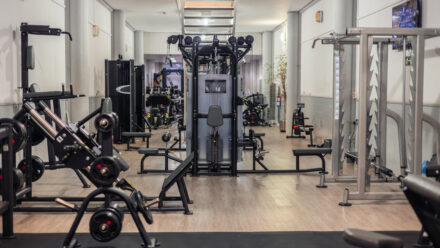
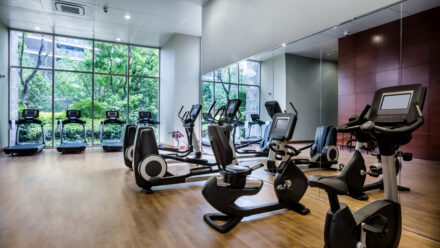
Walk into almost any gym and the equipment is the first thing you notice: rows of cardio machines, strength stations, racks, free weights, turf, bikes or reformers. In a gym sale, that equipment can look like a large share of the value. In practice, it is often more complicated. Some of it may be leased rather than owned. Some may be near the end of its useful life. And even well-maintained used equipment is usually worth far less on its own than it cost new.
This guide explains how to evaluate gym equipment in an acquisition: identifying what is owned and leased, assessing condition, understanding how equipment is valued, handling equipment leases at closing and how equipment fits into acquisition financing. It addresses equipment only as part of buying and financing the operating gym, not standalone equipment purchases.
What Equipment Typically Includes
- Cardio equipment: treadmills, bikes, ellipticals, rowers and stair machines.
- Strength equipment: selectorized machines, plate-loaded machines, racks, benches and cable systems.
- Free weights and functional equipment: dumbbells, plates, kettlebells, sleds, turf and accessories.
- Studio equipment: bikes, reformers, rowers or other discipline-specific equipment.
- Facility fixtures: flooring, mirrors, lockers, sound systems and lighting.
- Technology: check-in and access systems, screens and front-desk hardware.
Some items, such as flooring and built-in lockers, may be considered fixtures of the leased premises. Clarify ownership before relying on them in the price.
Owned vs. Leased Equipment
Many gyms lease a significant portion of their equipment. Leased equipment belongs to the leasing company, not the seller. For each item, buyers should know:
- whether it is owned outright, leased or financed with a lien
- the lessor or lender, payment amount, remaining term and buyout provisions
- whether the lease can be assigned to a buyer, and on what conditions
- whether the equipment will be paid off at closing or assumed by the buyer
Equipment lease payments are real obligations that affect cash flow. A gym whose results look strong before accounting for lease payments may look very different after. Our gym due diligence checklist includes the documents to request.
Assessing Condition
- age and model of major equipment
- service records and recurring problems
- availability of parts and service for older models
- wear on upholstery, cables, belts and moving parts
- condition of flooring, especially in strength areas
- items members frequently report as out of order
Consider having a qualified fitness equipment technician inspect major equipment. Replacement needs identified before closing can be negotiated; those discovered afterward are the buyer’s cost.
How Equipment Is Valued
- Replacement cost: what it would cost to buy similar new equipment.
- Value in use: the value of working equipment within an operating gym.
- Liquidation value: what the equipment would bring if sold separately, often much lower than replacement cost.
For a profitable gym, most of the price reflects earnings, and equipment is part of the operating whole. For a gym with weak earnings or a short lease, value may be closer to the realistic value of owned equipment. Sellers sometimes point to what they paid; buyers and lenders generally focus on earnings and realistic equipment values. See our guide to gym valuation.
Handling Equipment Leases at Closing
Common approaches include:
- Payoff at closing: the seller’s equipment leases are paid from sale proceeds, and the equipment transfers free of obligations.
- Assumption: the buyer takes over the leases with the lessor’s consent, and the price is adjusted accordingly.
- Buyout and inclusion: lease buyouts are included in the transaction and financed as part of the acquisition.
Whichever approach is used, the purchase agreement should clearly state which equipment is included, how leases are handled and who is responsible for payments through closing.
Near-Term Replacement Needs
If inspection shows that major equipment will need replacement soon after closing, buyers commonly negotiate a price reduction, seller repairs before closing, or a holdback for specific items. In some transactions, planned replacements can be included in the overall acquisition budget so they are not paid from operating cash. Discuss this with your lender early.
How Equipment Fits Into Acquisition Financing
When a gym acquisition is financed, the equipment being purchased is typically part of the overall transaction and collateral package. Lenders generally size the loan primarily on documented cash flow, take a security interest in business assets, recognize that used fitness equipment has modest liquidation value, account for any assumed equipment leases in cash flow, and look for working capital to handle repairs. See our guide on how to buy an existing gym.
If a gym you own is burdened by several expensive equipment leases, see gym debt restructuring.
Common Mistakes
- assuming all equipment in the gym is owned by the seller
- overlooking equipment lease payments when evaluating cash flow
- valuing used equipment at original cost
- skipping professional inspection of major equipment
- failing to confirm lien releases at closing
Frequently Asked Questions
How do I know if gym equipment is leased?
Request copies of all equipment leases and financing agreements, review the balance sheet and run lien searches.
Is gym equipment valued at what it cost new?
Usually not. Buyers and lenders focus on earnings and realistic equipment values.
Can equipment lease payoffs be included in acquisition financing?
Sometimes, depending on the lender and the overall transaction.
Financing Gym Acquisitions
US Professional Funding helps qualified buyers finance the acquisition of established gyms and fitness centers, including goodwill, equipment within the transaction and working capital. Learn more about our fitness center acquisition financing.