Farm Seasonal Cash Flow Planning: Financing the Gap Between Planting, Production and Payment
Few businesses have cash flow as uneven as farming. A crop operation may spend heavily for months before harvest and then receive most of its annual revenue in a short window. Livestock operations buy feed and care for animals long before they are sold. Even operations with steadier income face seasonal repairs, insurance premiums and property taxes that come due at inconvenient times. Understanding farm seasonal cash flow is the foundation of every sound financing decision on the farm.
This guide explains how to map seasonal cash flow, identify the peak funding need, choose the right financing for each type of need and avoid the mistakes that turn a profitable year into a cash crisis. It does not rely on commodity prices or averages; it is a framework you can apply to your own operation.
Profit and Cash Are Not the Same
An operation can be profitable for the year and still run out of cash in the middle of it. Profit measures whether revenue exceeds expenses over the year. Cash flow measures when money actually comes in and goes out. On a farm, the timing gap can be long, and the costs of carrying the operation through that gap must be financed.
How Seasonal Cash Flow Differs by Operation
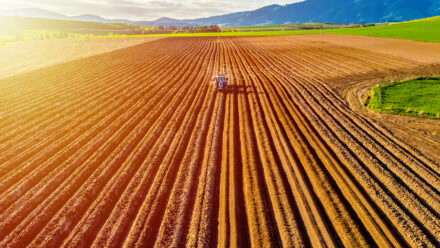
- Row crops: heavy spending on inputs and field operations before and during the season, with revenue concentrated after harvest or when stored crops are sold.
- Livestock: ongoing feed, labor and care costs, with revenue when animals are sold, which may be once or several times a year.
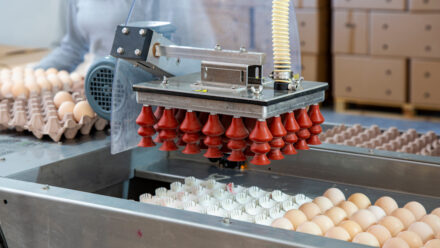
- Dairy and egg operations: more frequent income, but with large feed costs and periodic capital needs. See dairy farm financing and egg farm financing.
- Contract poultry: settlements after each flock, with gaps during downtime. See poultry farm cash flow.
- Specialty crops and greenhouses: timing depends on the crop, the market and the buyer’s payment terms.
- Agribusinesses: inventory builds ahead of customers’ seasons, and customers may pay on credit. See agribusiness financing.
Step 1: Build a Month-by-Month Cash Flow Projection
Start with a twelve-month projection that shows, for each month:
- Cash coming in from sales, contracts, settlements and other sources.
- Operating costs such as inputs, feed, fuel, labor, utilities and repairs.
- Fixed obligations such as loan payments, rent, insurance and property taxes.
- Planned capital spending.
- Family living expenses drawn from the operation.
Use your own records from prior years as the starting point. The goal is to see the shape of the year, not to predict prices.
Step 2: Find the Peak Need
Add up the monthly surpluses and deficits to see the cumulative cash position through the year. The lowest point is your peak funding need, the amount of financing required to get through the season. It also shows when you will be able to repay.
A line of credit sized to the peak need, with repayment timed to when revenue arrives, fits seasonal operations far better than a round-number request.
Step 3: Test the Downside
Seasonal plans should be tested against realistic problems:
- Lower yields or production.
- Lower sale prices.
- Delayed sales or later payment from buyers.
- Higher input or feed costs.
- An unexpected major repair.
If a moderate setback would leave the operation unable to repay its seasonal borrowing, consider building more reserves, adjusting marketing plans or restructuring longer-term debt.
Match Financing to the Need
- Seasonal operating needs fit a revolving line of credit or operating loan that is drawn during the season and repaid when revenue arrives. See our farm operating loans guide and agriculture working capital and lines of credit.
- Permanent working capital, such as the extra inventory needed after an expansion, may be better financed with a term loan.
- Buildings, land and major capital investments should be financed with longer-term financing, not seasonal credit.
Using a seasonal line of credit to pay for long-term assets is one of the most common causes of farm cash flow problems. When the line is tied up in buildings or land, there is nothing left to fund the next season.
Carryover Debt: A Warning Sign
When seasonal borrowing cannot be fully repaid after revenue arrives, the unpaid balance carries into the next year. Occasional carryover after a difficult season may be manageable, but repeated carryover means the operation is using seasonal credit to cover losses or long-term needs. Lenders watch for it closely. If carryover is building, a restructuring conversation may be needed. See farm debt restructuring vs. refinancing.
Timing Fixed Obligations
Where possible, align annual and semiannual payments with when cash is available:
- Schedule term loan payments after major revenue periods, where lenders allow.
- Plan insurance premiums and property taxes into the cash flow projection.
- Time planned repairs and improvements for periods when cash is stronger.
What Lenders Want to See
- A monthly cash flow projection for the coming year.
- Historical financial statements and tax returns.
- Production and marketing plans.
- A balance sheet showing assets, debts and working capital.
- How the prior year’s seasonal borrowing was repaid.
Operations that bring a clear projection to the lender usually receive credit lines better matched to their needs. See our guide to preparing a farm business plan for lenders.
Common Mistakes
- Planning on annual totals instead of monthly timing.
- Funding buildings or land with seasonal credit.
- Ignoring family living expenses in the projection.
- Assuming best-case yields and prices.
- Letting carryover debt build year after year.
- Waiting until cash is tight to ask for more credit.
Frequently Asked Questions
How do I know how large my operating line should be?
Build a monthly cash flow projection and identify the lowest cumulative cash point in the year. That peak need is the starting point for sizing the line.
What if I cannot repay my operating line after harvest?
Talk with your lender early. Occasional carryover may be manageable, but repeated carryover often calls for restructuring.
Should I use my line of credit for equipment or buildings?
Generally no. Long-term assets should be financed as part of longer-term business financing so the line remains available for operating needs.
US Professional Funding helps operating farms and agricultural businesses finance seasonal working capital, restructure debt and fund growth. Learn more about our agriculture and poultry farm financing.