How to Buy a Farm: Complete Agricultural Business Acquisition Guide (2026)
Buying an existing farm can be one of the fastest ways for entrepreneurs, agricultural professionals, and experienced operators to enter the agriculture industry or expand an existing operation.
Unlike starting a farm from the ground up, acquiring an established agricultural business provides immediate access to existing revenue, customers, equipment, facilities, employees, production history, and proven operating systems.
However, purchasing a farm requires careful planning, financial analysis, and the right acquisition strategy. Agricultural businesses often involve complex assets, including farmland, buildings, equipment, livestock, inventory, contracts, and operational infrastructure.
For buyers exploring an agricultural acquisition, agriculture and poultry farm financing can provide the capital needed to complete a purchase while maintaining financial flexibility for future growth.
This guide explains everything buyers need to know about purchasing a farm in 2026, including acquisition strategies, farm valuation, financing options, loan requirements, due diligence, and common mistakes to avoid.
Why Buy an Existing Farm?
Many entrepreneurs choose to purchase an existing agricultural business instead of starting a new operation because acquisitions provide immediate advantages.
Starting a farm from the ground up can require years of investment before reaching full production capacity. Buying an established farm allows buyers to begin operating with existing assets, customers, infrastructure, and business relationships.
Benefits of buying an existing farm include:
- Existing revenue streams
- Established customer relationships
- Existing farmland and facilities
- Experienced employees
- Existing equipment
- Production history
- Established operating processes
- Immediate growth opportunities
For buyers with the right strategy, acquiring an existing agricultural business can be an effective way to build long-term business value.
Types of Farms Available for Acquisition
Agricultural acquisitions can involve many different types of businesses. The right opportunity depends on the buyer’s experience, investment goals, available capital, and long-term growth strategy.
Common agricultural businesses available for acquisition include:
Crop Farms
Crop farms represent a significant portion of agricultural acquisitions.
Buyers may acquire operations producing:
- Corn
- Soybeans
- Wheat
- Cotton
- Rice
- Vegetables
- Fruit orchards
- Tree farms
- Specialty crops
Poultry Farms
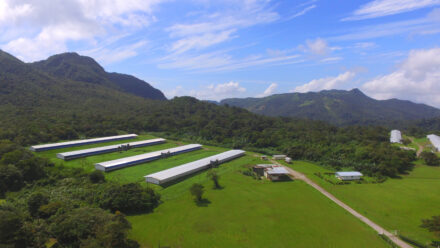
Poultry acquisitions can provide buyers with established production systems, facilities, and operational experience.
Potential acquisition opportunities include:
- Broiler farms
- Layer operations
- Turkey farms
- Breeder operations
- Hatcheries
- Egg production facilities
- Poultry processing operations
Buyers interested in poultry operations can also review our agriculture and poultry farm financing options.
Livestock Operations
Agricultural acquisitions may also include livestock businesses such as:
- Cattle farms
- Dairy farms
- Hog operations
- Sheep farms
- Goat farms
- Horse operations
Specialty Agricultural Businesses
Other acquisition opportunities may include:
- Greenhouses
- Nurseries
- Organic farms
- Hydroponic operations
- Vineyards
- Agricultural processing businesses
- Farm supply businesses
Steps to Buy a Farm
Purchasing a farm involves several important steps. A structured acquisition process helps buyers evaluate opportunities, secure financing, and complete transactions successfully.
1. Define Your Acquisition Goals
Before searching for a farm to purchase, buyers should determine what type of operation best fits their objectives.
Important considerations include:
- Type of agricultural business
- Geographic location
- Farm size
- Revenue goals
- Available capital
- Growth opportunities
- Personal experience
A clear acquisition strategy helps buyers focus on opportunities that align with their financial and operational goals.
2. Find an Agricultural Business for Sale
Potential farm acquisition opportunities may be found through:
- Industry networks
- Business brokers
- Agricultural associations
- Direct outreach
- Local industry relationships
Finding the right opportunity is important because the quality of the assets, financial performance, and operational systems directly impacts acquisition success.
Evaluating a Farm Before Purchase
Before purchasing an agricultural business, buyers should complete a detailed evaluation of the operation. A farm acquisition involves more than reviewing revenue because agricultural businesses often include valuable assets such as land, buildings, equipment, livestock, inventory, and established operating relationships.
Important areas to evaluate include:
- Historical financial performance
- Farm production history
- Land ownership or lease agreements
- Equipment condition
- Facility quality
- Customer relationships
- Supplier relationships
- Employee experience
- Operational processes
A thorough evaluation helps buyers determine whether the acquisition price accurately reflects the current performance and future potential of the agricultural business.
Understanding Farm Valuation
Determining the value of an agricultural business is one of the most important steps in the acquisition process.
Farm valuation can be more complex than valuing many other businesses because agricultural operations often include significant tangible assets such as farmland, buildings, machinery, livestock, and inventory.
Factors that influence farm value include:
- Annual revenue
- Profitability
- Cash flow
- Land value
- Equipment value
- Production capacity
- Customer relationships
- Market conditions
- Growth opportunities
Buyers should evaluate both the current financial performance and the long-term potential of the operation.
A farm with strong cash flow, efficient operations, and modern infrastructure may provide significant value beyond the physical assets alone.
Farm Acquisition Financing Options
Most buyers use financing when purchasing an agricultural business rather than paying entirely with cash.
Farm acquisition loans allow buyers to purchase established operations while preserving available capital for improvements, working capital, and future expansion.
Common financing options include:
- SBA acquisition loans
- Conventional commercial loans
- Commercial real estate financing
- Equipment financing
- Combination financing structures
The right financing structure depends on the transaction size, assets included in the purchase, borrower qualifications, and long-term business goals.
For buyers exploring acquisition financing, agriculture and poultry farm acquisition financing can help provide funding solutions for purchasing existing agricultural businesses.
SBA Loans for Farm Acquisitions
SBA loans can be an attractive financing option for qualified buyers purchasing agricultural businesses.
These loans may provide flexibility because they can support eligible acquisition expenses, including business assets, equipment, real estate, and other approved uses.
SBA acquisition financing may be used for:
- Purchasing an existing farm
- Buying agricultural businesses
- Acquiring equipment and facilities
- Funding eligible expansion costs
- Supporting working capital needs
Because agricultural acquisitions often involve a combination of assets and business value, proper loan structuring is important.
A well-designed acquisition loan should allow the buyer to complete the purchase while maintaining enough liquidity to successfully operate the farm after closing.
Conventional Farm Acquisition Loans
Conventional financing can also be used for agricultural acquisitions, particularly for established buyers, larger operations, and transactions involving significant assets.
Conventional acquisition financing may be suitable for buyers with:
- Strong financial statements
- Significant industry experience
- Substantial collateral
- Consistent cash flow
- Strong repayment ability
Many larger agricultural transactions require customized financing structures because they may include multiple components such as land, facilities, equipment, inventory, and operating assets.
What Can Be Included in a Farm Acquisition Loan?
Agricultural acquisitions are often more complex than standard business purchases because they may involve many different assets.
A properly structured acquisition loan may include financing for eligible items such as:
- Farmland
- Buildings
- Poultry houses
- Equipment
- Machinery
- Livestock
- Inventory
- Operating assets
- Business goodwill
Understanding what can be included in the financing structure helps buyers determine the total capital needed to successfully complete the acquisition.
Farm Acquisition Loan Requirements
Every financing request is evaluated differently, but most agricultural acquisition loans are based on several important factors.
Financial Performance
Lenders typically review the historical performance of both the buyer and the agricultural business being acquired.
Commonly requested documentation may include:
- Business tax returns
- Personal tax returns
- Profit and loss statements
- Balance sheets
- Cash flow statements
- Debt schedules
- Bank statements
Management Experience
Agriculture is a specialized industry where experience and operational knowledge are important.
Buyers with farming experience, industry knowledge, or a strong operational background may have stronger financing opportunities.
Credit Profile
Credit history is another important factor considered when evaluating acquisition financing.
Strong credit management can help demonstrate financial responsibility and repayment ability.
Business Plan and Transition Strategy
A clear plan for operating the farm after acquisition can strengthen the financing request.
Buyers should be prepared to explain:
- How the business will be managed
- Future growth plans
- Operational improvements
- Revenue opportunities
How Much Down Payment Is Required to Buy a Farm?
Down payment requirements for farm acquisition loans vary depending on the financing program, transaction structure, buyer qualifications, available collateral, and overall strength of the acquisition.
Agricultural acquisitions can involve many different assets, including land, buildings, equipment, livestock, and operating assets. Because of this complexity, financing structures are often customized based on the specific transaction.
Factors that may influence down payment requirements include:
- Purchase price of the farm
- Value of included assets
- Buyer experience
- Business cash flow
- Available collateral
- Financing structure
- Overall risk profile
Buyers should also consider maintaining adequate working capital after closing. Using all available cash toward a down payment can create challenges when unexpected expenses, repairs, equipment upgrades, or operational needs arise.
A successful acquisition strategy balances the initial investment with the ongoing financial needs of the agricultural business.
Farm Acquisition Due Diligence Checklist
Due diligence is one of the most important parts of buying an agricultural business.
A thorough review helps buyers identify potential risks, verify financial information, and understand the true condition of the operation before completing the purchase.
Important due diligence areas include:
- Financial statements
- Tax returns
- Revenue history
- Profitability trends
- Equipment condition
- Real estate documentation
- Land ownership or leases
- Inventory records
- Livestock information
- Supplier agreements
- Customer relationships
- Employee information
- Operating permits and licenses
Buyers should carefully review both financial and operational information to ensure the acquisition aligns with their goals.
Common Mistakes When Buying a Farm
Purchasing an agricultural business can provide significant growth opportunities, but buyers should avoid several common mistakes.
1. Failing to Understand the True Cost of Ownership
The purchase price is only one part of acquiring a farm.
Buyers should also consider:
- Equipment maintenance
- Facility improvements
- Operating expenses
- Employee costs
- Technology upgrades
- Future capital needs
Understanding ongoing costs helps buyers create a realistic financial plan.
2. Overpaying for an Agricultural Business
A proper valuation is essential before agreeing to purchase terms.
Buyers should evaluate whether the asking price is supported by:
- Historical cash flow
- Asset values
- Production capacity
- Future growth opportunities
3. Ignoring Transition Planning
Many agricultural businesses depend on years of knowledge, supplier relationships, and operating experience.
A smooth transition between owners can help protect production, employee retention, and customer relationships.
4. Underestimating Working Capital Needs
Agricultural businesses often experience seasonal expenses and unexpected operational challenges.
Buyers should ensure adequate capital remains available after closing to successfully operate and grow the business.
How to Improve Your Chances of Farm Acquisition Loan Approval
Preparing before applying for financing can improve approval opportunities and help buyers receive more favorable financing structures.
Steps buyers can take include:
- Maintain strong personal and business credit
- Prepare detailed financial documentation
- Understand the target business before submitting an offer
- Create realistic financial projections
- Document industry experience
- Prepare a detailed transition plan
- Clearly explain the growth strategy
A strong acquisition package demonstrates that the buyer understands the business, has a realistic plan, and can successfully manage the operation after purchase.
Frequently Asked Questions About Buying a Farm
Can I get financing to buy an existing farm?
Yes. Qualified buyers may be able to obtain financing to purchase existing agricultural businesses. Financing options may include acquisition loans, real estate financing, equipment financing, and other structured solutions.
Can I use a loan to buy farmland and an operating business together?
Yes. Some acquisition structures may include multiple components, such as farmland, buildings, equipment, inventory, and business operations.
The financing structure depends on the transaction details and borrower qualifications.
Can I buy a poultry farm with acquisition financing?
Yes. Poultry farm acquisitions may be eligible for financing depending on factors such as cash flow, operational history, assets included, and buyer qualifications.
Buyers interested in poultry operations can also review our agriculture and poultry farm financing options.
What credit score is needed to buy a farm?
Credit requirements vary depending on the financing structure and overall strength of the application.
Lenders typically evaluate credit history along with cash flow, collateral, experience, and repayment ability.
How long does it take to buy a farm?
The timeline depends on the complexity of the transaction, financing requirements, due diligence process, and documentation involved.
Smaller transactions may move faster, while acquisitions involving land, facilities, and multiple assets often require additional review.
Final Thoughts: Choosing the Right Farm Acquisition Financing Strategy
Buying an existing farm can be an excellent opportunity for entrepreneurs, agricultural professionals, and experienced operators looking to enter the industry or expand an existing operation.
However, successful acquisitions require more than finding the right property. Buyers must carefully evaluate the business, understand the financials, complete due diligence, and choose a financing structure that supports long-term success.
The best farm acquisition strategy balances the purchase price with future operating needs, growth opportunities, and available working capital.
Whether purchasing farmland, a poultry operation, livestock business, or another agricultural company, the right financing solution can help buyers successfully complete the acquisition and build long-term business value.
For businesses exploring additional financing options, our complete agriculture and poultry farm financing guide provides a broader overview of available solutions.