How to Finance a Famous Toastery Franchise: Brunch Build Costs
By Chris Cornella
A Famous Toastery franchise loan usually pays for a full-service breakfast, brunch and lunch restaurant: a griddle-heavy kitchen, a dining room and bar, and cash for the first months. Because the concept runs a single daytime shift and serves cocktails, lenders look closely at the build-out, the lease and the operator’s restaurant experience.
This article explains what Famous Toastery says it costs to open, what it expects of new owners and how SBA and conventional loans fit a new restaurant or a resale.
US Professional Funding is not affiliated with, sponsored by or endorsed by Famous Toastery; the name is used only to describe the business. Figures from the franchisor’s disclosure document and franchising materials can change, loan programs and terms vary by lender and borrower, and every loan is subject to approval. Nothing here is legal, tax or investment advice, so review the current Franchise Disclosure Document (FDD) and franchise agreement with a qualified franchise attorney and accountant.
Famous Toastery Franchise Loan at a Glance
- Initial franchise fee: starts at $45,000, according to Famous Toastery’s franchising pages, with a 50% discount on the fee for veterans.
- Estimated total investment: $575,500 to $999,500, including the franchise fee, as the company states on its own franchising pages.
- Financial requirements: $250,000 in liquidity and a $500,000 net worth, according to the company.
- Royalty and brand fund: not published on the franchising pages; confirm both in Item 6 of the current FDD.
- System size: nearly 30 locations as of 2024, according to the company.
- Hours: most restaurants are open daily from 7 a.m. to 3 p.m.
- SBA Franchise Directory: listed under code S0622, with a note about lease documents when real estate secures the loan.
What Is Famous Toastery?
Famous Toastery is a “better breakfast” restaurant brand serving breakfast, brunch and lunch. Brian Burchill and Robert Maynard opened the first restaurant in 2005 in a converted house in Huntersville, North Carolina, and the company began franchising in 2013. Its restaurants have been concentrated in North Carolina, South Carolina and Virginia, and the company has announced a development agreement for five restaurants in Northeast Florida.
The menu centers on made-to-order breakfast plates, flapjacks, omelets, sandwiches and burgers, and the brand has added cocktails such as margarita flights. Famous Toastery has highlighted its single-shift model, with most locations open from 7 a.m. to 3 p.m. every day.
Why lenders view the brand the way they do. A lender sees a sit-down restaurant with a full kitchen, a liquor license in many cases, and a schedule that ends in mid-afternoon. A daytime-only schedule can simplify staffing, but sales come in fewer hours, so weekend brunch volume and table turns matter in projections. The brand’s long operating history gives lenders a track record to review, while its regional footprint means each new market should be evaluated on its own.
Famous Toastery Franchise Costs
Initial franchise fee. Famous Toastery’s franchising pages state that the franchise fee starts at $45,000, and the company advertises a 50% discount on the franchise fee for veterans. Confirm the exact fee, any multi-unit pricing and the refund terms in Item 5 of the current FDD.
Real estate and build-out. Full-service restaurants like this commonly occupy leased space, and the largest variable in the budget is turning that space into a full-service breakfast restaurant. A former restaurant with existing hoods, grease traps and plumbing can cost far less to convert than a raw shell. Plan for kitchen ventilation, fire suppression, restrooms, a bar area, dining room finishes and patio work where the site allows it. Our article on restaurant build-out financing explains how construction draws and contingencies work.
Equipment and furnishings. A breakfast kitchen relies on griddles, flat-tops, ranges, ovens, refrigeration, prep tables, dish machines and commercial coffee and espresso equipment, plus bar equipment, seating, point-of-sale systems and signage.
Opening costs and working capital. Training, pre-opening payroll, opening inventory, licenses (including any liquor license), deposits and grand-opening marketing all land before the first full month of sales, along with funds for the initial operating period.
Total investment. The company states that the total cost to open a Famous Toastery ranges from $575,500 to $999,500, including the franchise fee. The franchising pages do not break that figure into line items, so read the full Item 7 table in the current FDD and use its ranges, not general estimates, when you build the sources and uses table for your Famous Toastery franchise loan request.
Ongoing Fees and How They Affect Your Famous Toastery Franchise Loan
Famous Toastery does not publish its royalty or marketing contribution on its franchising pages, so pull these from Item 6 of the current FDD before you build projections. Look for the royalty, any brand fund contribution, local marketing, technology, transfer and renewal fees, and any remodel obligations.
How lenders factor them in. Royalties and marketing fees are usually calculated on gross sales, so lenders subtract them before measuring the cash flow available for debt service. They will also stress-test projections with lower sales to see whether the restaurant can still cover its payments.
Franchisor Requirements for New Owners
Famous Toastery states that candidates need $250,000 in liquidity and a $500,000 net worth. The liquid funds generally have to cover the equity injection, pre-opening costs and a cushion.
Beyond the numbers, the brand looks for owners who will build a team and follow its systems. Restaurant or hospitality management experience strengthens both the franchise application and the Famous Toastery franchise loan request. The company describes support for site selection, marketing, hiring and culture, plus training before opening. Lenders generally want franchisor approval, or a clear path to it, before issuing a commitment.
Ways to Own a Famous Toastery
A new restaurant. Most new owners open a new location in an approved territory. Financing covers the franchise fee, build-out, equipment and working capital, and lenders underwrite the deal on projections and the owner’s experience. See our franchise start-up financing options.
Buying an existing restaurant. When a franchisee sells, the buyer acquires the assets and goodwill and must be approved by Famous Toastery. Lenders can underwrite the restaurant’s actual sales history, which often makes a resale easier to finance than a new build. Our article on buying a franchise resale covers transfer approval and timing.
Financing Options for a Famous Toastery Franchise
SBA 7(a) loans. Because Famous Toastery is on the SBA Franchise Directory, an SBA 7(a) loan is often a natural fit for a new restaurant. A single 7(a) loan can combine the franchise fee, leasehold improvements, equipment and working capital, which suits a full-service build-out.
SBA 504 loans. If you are buying or building a freestanding restaurant building, an SBA 504 loan can finance the real estate and long-lived equipment. Where the restaurant is leased, 504 fits only when the owner wants to own the property.
Conventional term loans. Experienced restaurant operators, especially those adding a second or third location, may qualify for a conventional business loan. Conventional lenders generally look for strong collateral, operating history and liquidity.
Equipment financing. Griddles, ranges, refrigeration, espresso machines, bar coolers, dish machines and point-of-sale systems can be financed separately. See restaurant equipment financing and leasing.
Working capital and lines of credit. A new restaurant needs cash for payroll during training, opening inventory and the ramp-up period. Brunch traffic often peaks on weekends and can shift with seasons and tourism in beach markets, so a line of credit can help manage uneven weeks. Learn more about restaurant working capital.
Seller financing on resales. When buying an existing Famous Toastery, a seller may agree to carry part of the price. A seller note is typically subordinate to the senior loan, and SBA rules and lender policies may limit how it is structured.
SBA Loans and the Famous Toastery Franchise Loan
SBA lenders use the SBA Franchise Directory to confirm that a franchise brand’s agreements are eligible for SBA financing. Famous Toastery is listed under code S0622, so a lender can move straight to underwriting the borrower and the restaurant. A listing does not approve any borrower.
What the directory note means. Famous Toastery’s listing says that when the real estate where the franchise business is located will secure the SBA-guaranteed loan, the Lease Agreement Rider and Collateral Assignment of Lease may not be executed. In plain English, the franchisor’s lease rider and lease assignment let it step in if a franchisee defaults on a lease. If the borrower owns the building and pledges it as collateral for the SBA loan, those documents should not be signed. If you lease the restaurant, they generally apply as written.
SBA application tips. The SBA 7(a) program maximum is currently $5 million, though program rules can change. Prepare projections, a personal financial statement, tax returns, a resume, the franchise agreement and your lease or letter of intent. Our article on how lenders read an FDD explains which items they review, and the SBA loan calculator can help with early payment estimates for planning only.
How Lenders Evaluate a Famous Toastery Deal
Personal credit and financial history. Lenders review credit, tax returns and a personal financial statement, and typically require a personal guarantee.
Net worth and liquidity. Famous Toastery’s $250,000 liquidity and $500,000 net worth requirements set the starting point. Lenders also want to see reserves left after the equity injection.
Industry and management experience. Running a kitchen and controlling food and labor costs are central here. Without that experience, plan to hire a seasoned general manager.
Business plan and projections. Build projections around a daytime schedule: morning and weekday traffic, weekend brunch peaks, average check, table turns, alcohol sales where permitted and labor scheduled for one shift. Include royalty and marketing fees from Item 6, rent from your lease and a ramp-up period.
The FDD and franchise agreement. Lenders review the term, renewal, transfer conditions (Item 17), territory rights and any franchisor financing (Item 10). Check whether Item 19 includes financial performance representations, and use it as one input rather than a forecast.
Site and lease. Lenders compare lease length with the loan term and review rent, escalations, improvement allowances and parking for a morning crowd.
The Breakfast Kitchen and Bar: An Equipment Deep Dive
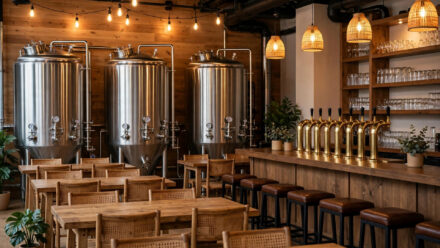
Breakfast kitchens run hot and fast. Long griddles and flat-tops handle pancakes, eggs and hash browns at volume, supported by ovens, fryers, refrigeration and ventilation hoods with fire suppression.
The bar adds another equipment package: coffee and espresso machines, blenders, ice machines, under-bar refrigeration and glassware. Because these assets wear out at different rates, some owners finance the core kitchen in the main loan and lease or finance shorter-lived items separately.
Multi-Unit Growth and Development Agreements
Famous Toastery has awarded multi-unit agreements, such as the Northeast Florida commitment for five restaurants over four years. Development agreements usually require opening restaurants on a set schedule, so financing has to be planned in stages.
Financing the second and third restaurant. Once the first restaurant has history, lenders can underwrite its cash flow alongside projections for the next, and each new unit generally needs its own equity contribution. Read more about multi-unit franchise financing.
Real-World Scenarios
A restaurant manager opening a first location. A former general manager who meets the financial requirements signs for one suburban restaurant, and an SBA 7(a) loan covers the build-out, equipment and working capital.
A veteran using the fee discount. A veteran qualifies for the 50% discount on the franchise fee, which lowers the total project cost and the amount that has to be financed or covered by the equity injection.
A buyer taking over an existing restaurant. A buyer purchases an operating Famous Toastery from a franchisee who is retiring. The lender underwrites the restaurant’s historical sales, and the seller carries a small subordinated note.
Common Mistakes to Avoid
- Building projections before reading the royalty and marketing fees in Item 6
- Underestimating build-out costs for a full kitchen and bar in a raw space
- Forgetting liquor license costs and timing where cocktails will be served
- Projecting dinner-style sales for a restaurant that closes in mid-afternoon
- Using all liquid funds for the down payment and leaving no reserve
For more pitfalls, read the restaurant loan mistakes that cost owners the most.
Next Steps to Finance Your Famous Toastery Franchise
Step 1: Confirm you meet the requirements. Compare your liquid funds and net worth with Famous Toastery’s stated thresholds.
Step 2: Request and review the FDD. Study Items 5, 6, 7, 10, 17 and 19 with a franchise attorney and accountant.
Step 3: Talk with a financing specialist early. Learn how an SBA or conventional loan would be sized for your project.
Step 4: Find a site. Work with the franchisor on site selection and get a letter of intent with clear tenant improvement terms.
Step 5: Build your plan. Prepare projections, a sources and uses table and a resume showing restaurant or management experience.
Step 6: Apply, close and open. Submit your application, align the lender’s timeline with franchisor approval and lease signing, and keep working capital ready for ramp-up.
Famous Toastery Franchise Loan FAQs
How much does it cost to open a Famous Toastery?
The company states that the total cost to open ranges from $575,500 to $999,500, including the franchise fee. Confirm the current range and line items in Item 7 of the FDD.
What is the Famous Toastery franchise fee?
According to its franchising pages, the franchise fee starts at $45,000, and veterans receive a 50% discount on the fee.
What royalty does Famous Toastery charge?
The royalty is not published on the company’s franchising pages. Check Item 6 of the current FDD for the royalty, brand fund and other recurring fees.
How much liquid capital do I need?
Famous Toastery states a liquidity requirement of $250,000 and a net worth requirement of $500,000.
Can I get an SBA loan for a Famous Toastery franchise?
Yes, if you qualify. The brand is listed on the SBA Franchise Directory under code S0622, so SBA lenders can consider a request. Every loan is still subject to approval.
Does Famous Toastery offer financing?
Check Item 10 of the current FDD for any franchisor financing. Otherwise, owners arrange SBA or conventional loans from outside lenders.
Can I finance equipment separately?
Yes. Kitchen, bar and point-of-sale equipment can often be financed or leased apart from the main loan.
Can I buy an existing Famous Toastery?
Yes, when a franchisee sells and Famous Toastery approves the buyer. Its sales history gives lenders actual results to review.
Can a first-time owner qualify?
Yes. Restaurant management experience, a strong general manager and solid reserves strengthen a first-time owner’s request.
How long is the franchise term?
The term and renewal rights are set out in Item 17 of the FDD. Line up your lease and loan term with them.
Final Thoughts
A Famous Toastery restaurant combines a full breakfast kitchen, a bar and a daytime schedule, so a loan request needs realistic build-out numbers and projections built around brunch traffic. The brand’s SBA Franchise Directory listing gives qualified owners a clear path to apply.
US Professional Funding helps franchise owners and buyers finance start-ups, acquisitions, equipment and working capital. Learn more about our franchise financing and restaurant financing solutions.