The Complete Guide to Agriculture & Poultry Farm Financing (2026)
Agriculture remains one of the most important industries in the United States, supplying food, fuel, fiber, and countless products that support both the national and global economy. Whether operating a family-owned farm, managing a large commercial agricultural business, or expanding a modern poultry operation, access to capital is often the difference between maintaining operations and achieving long-term growth.
From purchasing farmland and constructing poultry houses to upgrading equipment, expanding livestock operations, improving irrigation systems, or acquiring another agricultural business, financing allows farm owners to make investments that would otherwise require years of accumulated profits.
Fortunately, today’s farmers have access to a wide range of financing options, including SBA loans, conventional commercial loans, USDA-backed programs, equipment financing, commercial real estate loans, working capital lines of credit, and acquisition financing. Understanding which loan best fits your operation can save hundreds of thousands of dollars over the life of the financing.
This guide explains everything agricultural business owners need to know about financing in 2026, including available loan programs, qualification requirements, interest rates, down payments, common mistakes, and strategies to improve approval odds.
Why Financing Plays a Critical Role in Agriculture
Agriculture is unlike most industries. Revenue often fluctuates based on seasonal harvests, commodity prices, weather conditions, feed costs, labor availability, and changing consumer demand. At the same time, farms require significant investments in land, machinery, livestock, buildings, storage facilities, transportation equipment, and technology.
Many successful agricultural businesses continually reinvest into their operations to improve efficiency and increase production. Rather than waiting years to accumulate enough cash, financing allows businesses to invest immediately while preserving operating capital for day-to-day expenses.
Common reasons farms seek financing include:
- Purchasing agricultural land
- Buying neighboring farms
- Expanding poultry operations
- Constructing new barns or poultry houses
- Installing irrigation systems
- Purchasing tractors and heavy equipment
- Refinancing existing debt
- Buying grain storage facilities
- Working capital during seasonal cycles
- Livestock purchases
- Feed inventory financing
- Commercial real estate purchases
- Acquiring another agricultural business
- Modernizing farm technology
- Improving energy efficiency
Financing also helps agricultural businesses remain competitive as automation, precision agriculture, GPS equipment, drones, artificial intelligence, and modern production systems continue reshaping the industry.
The Current State of Agricultural Financing in 2026
Despite higher interest rates than many borrowers experienced several years ago, lenders continue to actively finance qualified agricultural businesses. Farms with strong management, positive cash flow, experienced ownership, and sufficient collateral remain attractive lending opportunities.
Lenders understand that agriculture has unique operating cycles and frequently structure loans around seasonal cash flow. Rather than requiring equal monthly payments throughout the year, some agricultural loans can be structured with annual or seasonal payment schedules that better align with harvest income.
Many farms also benefit from government-supported lending programs designed to encourage agricultural production and rural economic development.
Today’s financing landscape includes both traditional agricultural lenders and commercial lenders that specialize in larger transactions involving farmland, business acquisitions, poultry facilities, processing operations, and agricultural commercial real estate.
Types of Agricultural Businesses That Can Be Financed
Commercial lenders finance a wide variety of agricultural operations. While every lender has its own underwriting guidelines, many businesses throughout the agricultural supply chain qualify for financing.
Crop Farms
Financing is commonly available for operations producing:
- Corn
- Soybeans
- Wheat
- Cotton
- Rice
- Vegetables
- Fruit orchards
- Tree farms
- Hay production
- Specialty crops
Poultry Farms
Financing may be available for:
- Broiler operations
- Layer farms
- Turkey farms
- Breeder operations
- Hatcheries
- Egg production facilities
- Poultry processing facilities
- Contract grower operations
Livestock Operations
- Beef cattle
- Dairy farms
- Hog farms
- Goat farms
- Sheep farms
- Bison operations
- Horse breeding facilities
Specialty Agriculture
- Greenhouses
- Hydroponic farms
- Aquaculture
- Fish farms
- Organic farms
- Nurseries
- Vineyards
- Wineries with agricultural operations
Many diversified operations combine multiple revenue sources, making them even more attractive to lenders because diversified income can reduce overall business risk.
Common Reasons Farms Apply for Financing
Purchasing Agricultural Land
Farmland remains one of the most valuable assets owned by agricultural businesses. Purchasing additional acreage may increase production capacity, improve operational efficiency, or allow businesses to expand into new markets.
Commercial financing can help purchase:
- Cropland
- Pasture
- Timberland
- Ranches
- Orchards
- Agricultural investment property
Building New Poultry Houses
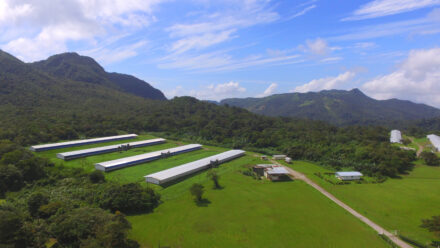
Modern poultry production requires significant capital investment. New poultry houses often include advanced ventilation systems, computerized feeding equipment, automated watering systems, climate controls, waste management systems, and energy-efficient construction.
Financing allows producers to construct facilities capable of increasing production while improving operating efficiency and meeting modern integrator standards.
Farm Equipment Purchases
Agricultural equipment represents one of the largest capital investments made by farming operations. New technology improves productivity while reducing labor requirements and operating costs.
Common financed equipment includes:
- Tractors
- Combines
- Harvesters
- Balers
- Sprayers
- Planters
- Seed drills
- GPS guidance systems
- Drones
- Irrigation equipment
- Feed mixers
- Poultry equipment
- Generators
- Grain handling systems
Equipment financing often allows farms to preserve cash while matching repayment terms to the useful life of the equipment.
Working Capital
Agricultural businesses frequently experience uneven cash flow throughout the year. Expenses often occur months before harvest income is received. Working capital financing bridges these seasonal gaps while allowing farms to purchase inventory, pay employees, cover fuel costs, purchase fertilizer, and manage everyday operating expenses.
Maintaining adequate working capital also improves financial flexibility when unexpected opportunities or challenges arise.
Farm Expansion
Growing demand frequently creates opportunities to expand operations through additional acreage, larger facilities, new production lines, or geographic expansion.
Rather than slowing growth because of limited cash reserves, financing allows businesses to capitalize on favorable market conditions while maintaining healthy liquidity.
Buying an Existing Agricultural Business
Purchasing an established agricultural business can often be less risky than starting from scratch. Existing farms may already have experienced employees, established customer relationships, equipment, production history, supplier agreements, and operational infrastructure.
Acquisition financing may be used for purchasing:
- Family farms
- Poultry operations
- Livestock businesses
- Dairy farms
- Feed mills
- Agricultural processing facilities
- Farm supply companies
- Agricultural service businesses
Many acquisitions include real estate, equipment, inventory, livestock, and goodwill, making proper loan structuring especially important.
Depending on the size and complexity of the transaction, financing may combine multiple loan products into one comprehensive funding solution.
Understanding the Major Types of Agricultural Financing
Not every financing solution serves the same purpose. Choosing the appropriate loan depends on what the funds will be used for, the financial strength of the borrower, available collateral, project size, and long-term business goals.
The most common financing options available to agricultural businesses include:
- SBA 7(a) Loans
- SBA 504 Loans
- Conventional Commercial Loans
- Commercial Real Estate Loans
- Equipment Financing
- Working Capital Loans
- Business Acquisition Financing
- USDA Programs
- Operating Lines of Credit
Each financing solution offers unique advantages, qualification standards, repayment terms, and ideal use cases. Understanding these differences helps borrowers select financing that supports both immediate needs and long-term growth.
SBA Loans for Agriculture & Poultry Farm Financing
Small Business Administration (SBA) loans are one of the most popular financing options for qualified agricultural businesses because they provide longer repayment terms, competitive interest rates, and lower down payment requirements compared to many traditional commercial loans.
While SBA loans are not directly issued by the government, they are provided through approved lenders with a portion of the loan guaranteed by the SBA. This guarantee reduces lender risk and allows financial institutions to provide financing to businesses that may not qualify for conventional financing.
Agricultural businesses may use SBA financing for a wide range of purposes, including purchasing an existing farm, acquiring agricultural real estate, constructing facilities, purchasing equipment, refinancing eligible debt, and funding expansion projects.
SBA 7(a) Loans for Agriculture Businesses
The SBA 7(a) loan program is the most flexible SBA financing option and can be used for many agricultural business needs. Because of its versatility, it is often considered one of the best financing tools for small and mid-sized agricultural companies.
SBA 7(a) loans may be used for:
- Purchasing an existing agricultural business
- Buying farmland or commercial property
- Constructing farm-related facilities
- Purchasing machinery and equipment
- Working capital needs
- Refinancing qualified business debt
- Expanding production capacity
- Purchasing inventory and supplies
For agricultural acquisitions, SBA 7(a) financing can be especially valuable because it allows buyers to finance both tangible assets and intangible business value, including goodwill, customer relationships, and established operations.
SBA 504 Loans for Agricultural Real Estate and Equipment
The SBA 504 loan program is designed for major fixed asset purchases. It is commonly used by agricultural businesses that need financing for commercial real estate, large-scale construction projects, and expensive equipment purchases.
SBA 504 financing can help agricultural businesses fund:
- Farm buildings
- Poultry houses
- Processing facilities
- Warehouses
- Storage facilities
- Manufacturing equipment
- Large agricultural machinery
The primary advantage of an SBA 504 loan is the ability to obtain long-term financing with predictable payments, allowing business owners to preserve cash flow while investing in long-term assets.
Conventional Agricultural Business Loans
Conventional commercial loans remain an important financing option for established agricultural businesses with strong financial performance, experienced ownership, and substantial assets.
Unlike SBA loans, conventional financing does not include a government guarantee. Because of this, lenders typically place greater emphasis on profitability, collateral, liquidity, credit history, and repayment ability.
Conventional agricultural loans may be used for:
- Farmland purchases
- Business acquisitions
- Farm expansions
- Equipment purchases
- Facility improvements
- Debt refinancing
- Operating capital
Many larger agricultural operations prefer conventional financing because it can provide higher loan amounts and customized structures for complex transactions.
Borrowers with strong financial statements, significant assets, and consistent cash flow may qualify for attractive terms through traditional commercial lenders.
USDA Financing Programs for Agricultural Businesses
The United States Department of Agriculture (USDA) supports rural businesses through several lending programs designed to increase access to capital and encourage economic development in agricultural communities.
USDA-backed financing can provide opportunities for businesses that operate in eligible rural areas and need funding for expansion, equipment, real estate, or working capital.
USDA financing may support:
- Agricultural processing businesses
- Rural business expansion
- Energy efficiency improvements
- Equipment purchases
- Facility upgrades
- Job creation projects
Because USDA programs have specific eligibility requirements, agricultural business owners should carefully evaluate whether their location, industry, and project qualify.
Equipment Financing for Farms and Poultry Operations
Agricultural equipment is one of the largest expenses for most farming businesses. Modern machinery improves productivity, reduces labor requirements, and helps businesses remain competitive.
Equipment financing allows farm owners to purchase necessary machinery while spreading payments over time instead of using significant amounts of available cash.
Common agricultural equipment financed includes:
- Tractors
- Combines
- Harvesting equipment
- Planting equipment
- Irrigation systems
- Feed systems
- Poultry house equipment
- Refrigeration systems
- Storage equipment
- Transportation vehicles
Many equipment loans are structured around the useful life of the asset, allowing borrowers to match payments with the revenue generated from the equipment.
For growing operations, equipment financing can also help maintain liquidity by avoiding large upfront cash purchases.
Commercial Real Estate Loans for Agricultural Properties
Agricultural real estate represents one of the most significant investments made by farm owners. Whether purchasing additional acreage, constructing facilities, or refinancing existing property debt, commercial real estate financing can provide long-term capital solutions.
Agricultural real estate financing may be used for:
- Farmland purchases
- Poultry facilities
- Processing plants
- Storage buildings
- Warehouses
- Greenhouses
- Agricultural offices
- Distribution facilities
Lenders typically evaluate the property’s value, intended use, borrower experience, cash flow, and overall financial strength when determining eligibility.
Agricultural Business Acquisition Financing
Buying an existing agricultural business can be an excellent growth strategy for entrepreneurs and established operators. Acquisitions provide immediate access to existing revenue, customers, employees, equipment, facilities, and production capabilities.
However, agricultural acquisitions are often more complex than standard business purchases because transactions may involve:
- Land
- Buildings
- Equipment
- Livestock
- Inventory
- Contracts
- Operating licenses
- Goodwill
Proper financing structure is critical. A well-designed acquisition loan should allow the buyer to complete the purchase while maintaining enough working capital to successfully operate and grow the business after closing.
SBA acquisition financing is often attractive for qualified buyers because it may allow financing of both tangible assets and business goodwill.
Working Capital Loans for Agricultural Businesses
Agricultural businesses often experience seasonal revenue cycles. Expenses such as feed, seed, fertilizer, labor, fuel, repairs, and maintenance may occur months before revenue is generated.
Working capital financing helps businesses maintain consistent operations throughout the year.
Working capital may be used for:
- Payroll expenses
- Feed purchases
- Inventory
- Fuel costs
- Maintenance
- Seasonal operating expenses
- Marketing and expansion
Maintaining sufficient working capital also provides flexibility when unexpected events occur, including equipment breakdowns, weather disruptions, or changes in market conditions.
Agriculture Loan Requirements
Every lender has different requirements, but most agricultural financing decisions are based on several key factors, including business performance, management experience, collateral, credit history, and repayment ability.
Strong Business Financials
Lenders typically review financial statements to determine whether the business generates enough cash flow to support loan payments.
Commonly requested documents include:
- Business tax returns
- Personal tax returns
- Profit and loss statements
- Balance sheets
- Cash flow projections
- Debt schedules
- Bank statements
Management Experience
Agriculture is a specialized industry where operational knowledge matters. Lenders often consider the experience of ownership and management when evaluating risk.
Applicants with years of farming experience, industry knowledge, and a demonstrated history of successful operations are generally viewed more favorably.
Collateral
Agricultural businesses often have significant assets that can support financing, including land, buildings, equipment, livestock, and inventory.
Collateral can help strengthen a loan application and may improve financing terms.
How to Improve Your Chances of Agricultural Loan Approval
Preparing before applying for financing can significantly improve approval odds and help borrowers receive better loan terms.
- Maintain accurate financial records
- Improve personal and business credit scores
- Prepare realistic financial projections
- Document management experience
- Maintain adequate cash reserves
- Understand your financing needs before applying
- Work with lenders familiar with agriculture
A strong financing package demonstrates that the borrower understands the business, has a clear growth plan, and can successfully manage repayment obligations.
Agriculture & Poultry Farm Loan Interest Rates in 2026
Agricultural loan interest rates in 2026 vary depending on several factors, including the type of financing, loan size, repayment term, collateral, borrower qualifications, lender requirements, and overall market conditions.
Unlike consumer loans, agricultural financing is highly customized. Two farms seeking the same loan amount may receive different pricing depending on their financial strength, operating history, assets, and projected cash flow.
Factors that can influence agricultural loan interest rates include:
- Credit score and credit history
- Business profitability
- Debt service coverage ratio
- Collateral value
- Loan-to-value ratio
- Industry experience
- Loan purpose
- Loan term
- Current market conditions
Businesses with strong financial statements, experienced ownership, and significant collateral typically have access to more competitive financing terms.
When comparing agricultural financing options, borrowers should evaluate the entire loan structure rather than focusing only on the interest rate. Factors such as repayment flexibility, fees, amortization period, and available working capital after closing can have a significant impact on the long-term success of the business.
How Much Down Payment Is Required for a Farm Loan?
Down payment requirements for agricultural financing vary depending on the loan program, lender, transaction type, and borrower qualifications.
Some financing programs may allow lower down payments for qualified borrowers, while conventional agricultural loans may require more equity depending on the risk profile of the transaction.
Down payment requirements are commonly influenced by:
- Whether the financing is for real estate, equipment, or a business acquisition
- The strength of the borrower’s financial profile
- The amount of collateral available
- The projected cash flow of the operation
- The lender’s underwriting guidelines
For acquisitions, many buyers focus on maintaining enough liquidity after closing rather than using all available cash toward the down payment. Having adequate working capital is especially important in agriculture because unexpected expenses and seasonal fluctuations are common.
A properly structured loan allows business owners to invest in growth while maintaining financial flexibility.
How Much Can an Agriculture Business Borrow?
The amount an agricultural business can borrow depends on the purpose of financing, business financial performance, available collateral, and the borrower’s ability to repay the loan.
Agricultural financing amounts can range from smaller equipment purchases to multi-million-dollar transactions involving land, facilities, processing operations, and acquisitions.
Lenders typically evaluate:
- Historical revenue
- Profitability
- Cash flow
- Existing debt obligations
- Collateral value
- Business plan
- Management experience
For larger agricultural projects, lenders may also review industry conditions, customer contracts, supplier relationships, production capacity, and market demand.
SBA Loan vs. Conventional Loan for Agricultural Businesses
Both SBA and conventional financing can be excellent options for agricultural businesses. The right choice depends on the borrower’s goals, financial profile, and intended use of funds.
| Feature | SBA Loan | Conventional Loan |
|---|---|---|
| Government Guarantee | Includes SBA guarantee to reduce lender risk | No government guarantee |
| Best For | Growing businesses, acquisitions, expansion, and borrowers needing flexible structures | Established businesses with strong financial performance |
| Down Payment | May offer lower equity requirements depending on qualifications | Often requires more borrower equity |
| Loan Flexibility | Highly flexible uses including acquisitions and working capital | Often customized for specific commercial purposes |
| Collateral Requirements | Based on lender and SBA guidelines | Typically emphasizes collateral strength |
| Ideal Borrower | Small and mid-sized agricultural businesses | Established agricultural companies with strong assets |
Many agricultural business owners benefit from comparing multiple financing structures before selecting a loan. The lowest-cost option is not always the best option if it limits growth or creates unnecessary cash flow pressure.
Common Mistakes When Applying for Agricultural Financing
Many agricultural businesses are successful operators but struggle with the financing process because they approach lenders without proper preparation.
Avoiding common mistakes can improve approval odds and help secure better financing terms.
1. Not Preparing Financial Documentation Early
One of the most common delays in agricultural lending is incomplete financial documentation. Lenders need accurate information to understand the business and evaluate repayment ability.
Before applying, borrowers should organize tax returns, financial statements, debt information, asset documentation, and business projections.
2. Borrowing Without a Clear Growth Plan
Successful financing starts with understanding exactly how borrowed funds will improve the business.
Whether purchasing equipment, expanding acreage, building poultry facilities, or acquiring another operation, borrowers should clearly explain how the investment will increase revenue, efficiency, or profitability.
3. Choosing the Wrong Loan Product
Different financing products serve different purposes. Using short-term financing for long-term assets or selecting a loan structure that creates unnecessary cash flow pressure can negatively impact the business.
Working with lenders experienced in agricultural financing can help business owners identify the right solution.
4. Underestimating Working Capital Needs
Agriculture has unique cash flow cycles. Many businesses fail to account for seasonal expenses, repairs, weather-related challenges, and unexpected operating costs.
A strong financing structure should provide enough liquidity to successfully operate after funding.
How to Prepare a Strong Agricultural Loan Application
A well-prepared loan application helps lenders quickly understand the opportunity and reduces unnecessary delays.
Agricultural businesses should consider preparing:
- Detailed business overview
- Ownership and management history
- Historical financial statements
- Personal financial statements
- Tax returns
- Current debt information
- Collateral documentation
- Equipment lists
- Real estate information
- Business growth plan
- Financial projections
For acquisitions, borrowers should also prepare:
- Purchase agreement
- Business valuation information
- Seller financial statements
- Transition plan
- Industry analysis
The stronger the financing package, the easier it is for lenders to evaluate the opportunity and provide appropriate financing options.
Frequently Asked Questions About Agriculture & Poultry Farm Financing
Can farms qualify for SBA loans?
Yes. Qualified agricultural businesses may be eligible for SBA financing depending on their business structure, location, financial performance, and intended use of funds. SBA loans may be used for eligible purposes such as acquisitions, equipment, real estate, expansion, and working capital.
Can poultry farms get financing to build new poultry houses?
Yes. Poultry operations may seek financing for construction, expansion, equipment upgrades, and facility improvements. Loan eligibility depends on factors including cash flow, experience, contracts, and overall project feasibility.
Can I use a business loan to buy an existing farm?
Yes. Business acquisition financing may be available for purchasing existing agricultural businesses. Financing structures may include funding for real estate, equipment, inventory, and other eligible business assets.
What credit score is needed for an agricultural loan?
Credit requirements vary by lender and loan program. While credit history is an important factor, lenders also evaluate business cash flow, collateral, management experience, and the overall strength of the financing request.
Can agricultural loans be used for equipment purchases?
Yes. Agricultural equipment financing can help businesses purchase tractors, machinery, poultry equipment, irrigation systems, and other operational assets while preserving cash flow.
How long does it take to get approved for agricultural financing?
Approval timelines vary based on loan complexity, documentation, lender requirements, and transaction size. Smaller equipment loans may move quickly, while acquisitions and real estate transactions typically require more detailed underwriting.
Final Thoughts: Choosing the Right Agriculture & Poultry Farm Financing Solution
Agricultural businesses require significant capital to operate, expand, and remain competitive. Whether purchasing land, building poultry facilities, upgrading equipment, acquiring another operation, or managing seasonal expenses, the right financing solution can provide the foundation for long-term success.
The best agricultural financing strategy considers more than just obtaining capital. It focuses on creating a loan structure that supports profitability, protects cash flow, and allows the business to continue growing after funding.
Business owners should evaluate multiple financing options, understand their long-term goals, and work with financing professionals who understand the unique needs of agricultural industries.
From SBA loans and conventional financing to equipment loans and acquisition financing, the right capital solution can help agricultural businesses build stronger operations and take advantage of future growth opportunities.
If you are exploring financing options for an agriculture business, poultry operation, farm expansion, equipment purchase, or agricultural acquisition, contact US Professional Funding to discuss available lending solutions tailored to your business goals.