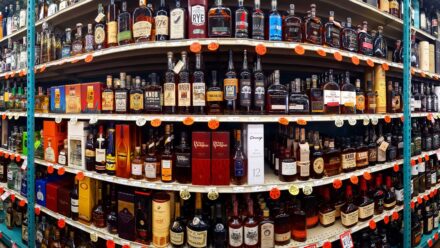
How to Buy a Liquor Store: Deal Steps, License Transfer and Financing
An established liquor store can offer an existing customer base, supplier relationships, a recognizable location and a sales history a buyer can review. It also comes with features that make buying one different from buying most retail businesses: a regulated license, a large amount of inventory on the shelves, and a sale that may depend on approval from a licensing authority. Knowing how to buy a liquor store means planning the deal process, the licensing steps and the financing together, because each affects the others.
This guide walks through acquiring an existing, operating liquor store. Liquor licensing is regulated at the state and local level and varies widely, so nothing here should be read as a description of the rules in any particular place. This is not legal, regulatory, tax or licensing advice; buyers should confirm requirements with the applicable licensing authority and qualified professionals.
Step 1: Define What You Want to Buy
- Store type: a full liquor store, a beer and wine shop, a specialty wine or spirits retailer, or a store that also sells convenience items
- Location: neighborhood, parking, visibility and nearby competition
- Real estate: a store in leased space or a store sold together with the building
- Revenue mix: spirits, wine, beer, and other sales such as lottery, tobacco or snacks
- Your role: how involved you plan to be in day-to-day operations
Step 2: Understand the Licensing Picture Early
Before you invest significant time or money, learn how licensing works where the store is located. Depending on the jurisdiction, a license may or may not be transferable, a new license may be required, the number of licenses may be limited, and buyers may have to meet eligibility requirements and pass background reviews. Some sales require approval before closing; rules about whether a store can continue operating while an application is pending also vary. Our guide to liquor license transfer explains the considerations buyers commonly face.
Step 3: Review the Numbers
Request several years of tax returns and financial statements, point-of-sale reports, bank statements and purchase records. Compare them against each other to confirm sales and margins. Liquor stores may have thin margins on some categories and better margins on others, so understanding the product mix matters.
Step 4: Understand What Drives Value
The price of a liquor store usually reflects its cash flow, the inventory on hand, the security of the lease or value of the real estate, and licensing considerations. Inventory is often handled separately from the price of the business. Our guide to liquor store valuation explains how these pieces fit together.
Step 5: Make an Offer and Sign a Letter of Intent
A letter of intent typically outlines the price, how inventory will be handled, the due diligence period, conditions such as financing, lease assignment and licensing approval, and the seller’s role during the transition. Your attorney can advise on how licensing conditions should be addressed.
Step 6: Complete Due Diligence
Due diligence covers financial records, licensing and compliance history, inventory, the lease or property, staff, vendor relationships and operations. Our liquor store due diligence checklist lays out what to review.
Step 7: Choose a Deal Structure
Buyers typically purchase either the store’s assets or the entity that owns the store. The choice can affect liabilities, taxes and, in some jurisdictions, how licensing is handled. Our article on the liquor store asset purchase versus entity purchase explains the trade-offs.
Step 8: Arrange Financing
Liquor store acquisitions are commonly financed with buyer equity, an SBA-backed or conventional loan and sometimes seller financing. Lenders will consider the store’s documented cash flow, the license situation, the lease and your experience and credit. Our guide to SBA loans for liquor stores explains how SBA financing may be used, and you can estimate payments with our SBA loan calculator.
Step 9: Close and Transition
Closing typically involves completing the required licensing steps, counting and paying for inventory, assigning or replacing the lease, transferring utility and vendor accounts and changing access to point-of-sale systems and bank accounts. The order and requirements of these steps depend on the jurisdiction and the transaction. A transition period with the seller can help you learn suppliers, staff and regular customers.
Common Mistakes
- Assuming the license will transfer or be approved without confirming requirements
- Relying on the seller’s sales claims without verification
- Not agreeing in advance on how inventory will be counted and priced
- Overlooking the remaining lease term
- Leaving too little working capital after closing
Buying With a Plan
A liquor store purchase involves more moving parts than many retail acquisitions, but buyers who address licensing, inventory, the lease and financing early are better positioned to close and operate successfully.
US Professional Funding helps buyers finance the acquisition of existing, operating liquor stores. Learn more about our liquor store acquisition financing.