How to Finance a True North Restoration Franchise: Water and Fire
By Chris Cornella
A True North Restoration franchise loan funds a property restoration business that responds when homes and commercial buildings are damaged by water, fire, smoke or mold. Owners need trucks, drying and air-moving equipment, trained technicians and enough working capital to carry jobs while insurance claims are paid, so the financing plan looks very different from a storefront franchise.
This article covers what is publicly known about the brand, which costs to plan for, how SBA and conventional loans fit, and what lenders look for when they review a restoration franchise.
US Professional Funding is not affiliated with, sponsored by or endorsed by True North Restoration; the name is used only to describe the business. Figures in the franchisor’s disclosure document can change, loan programs vary, and every loan is subject to approval. Nothing here is legal, tax or investment advice, so review the current Franchise Disclosure Document (FDD) and franchise agreement with a franchise attorney and accountant.
True North Restoration Franchise Loan at a Glance
- Concept: residential and commercial property restoration, including water and flood damage, fire and smoke damage, mold remediation and testing, structural drying and large-loss projects.
- Operating model: 24/7 emergency response and direct work with insurance companies on claims.
- Footprint: franchised locations operate in several states, including Iowa, Missouri and Texas.
- Franchise fee, royalty and Item 7 investment: not verified for this article; request the FDD and read Items 5, 6 and 7.
- Owner requirements: no published net worth or liquid capital minimum could be verified.
- SBA Franchise Directory: listed, with no special directory note.
What Is True North Restoration?
True North Restoration is a franchised restoration brand whose local businesses operate under the True North name in markets such as Cedar Falls and Cedar Rapids, Iowa, the western St. Louis area of Missouri, and Dallas, Texas. Each local business is independently owned and operated under the brand’s systems.
Services. Local True North businesses describe services that include water remediation, fire and smoke remediation, mold remediation and testing, structural drying, duct cleaning and large-loss projects for both homes and commercial properties. Some locations also list asbestos removal.
Emergency and insurance work. Restoration is a call-driven business. True North locations advertise 24/7 emergency response and say they work directly with insurance companies to streamline claims. That insurance relationship shapes cash flow, because much of the revenue arrives after an adjuster approves the scope and the carrier pays.
Franchisor support and technology. The franchisor has said it adopted job-management software suited to its company locations as well as new and mature franchise locations, and it describes that technology as a tool to help franchisees grow. Ask what systems are required and what they cost, since Item 6 of the FDD should list them.
How lenders view it. Lenders generally treat restoration as an equipment-heavy service business with uneven, weather-driven demand and slower-paying insurance receivables. They focus on the owner’s management ability, the equipment plan and working capital more than on a physical location.
True North Restoration Franchise Costs
We could not verify the current franchise fee or Item 7 investment range from the FDD or the franchisor’s own pages, so request the disclosure document before you size your loan.
Initial franchise fee. Item 5 lists the fee, territory pricing and any multi-territory terms.
Facility. Restoration businesses typically lease a warehouse or flex space to store equipment, dry contents and park vehicles rather than a retail storefront. Lease terms, deposits and any improvements belong in the budget.
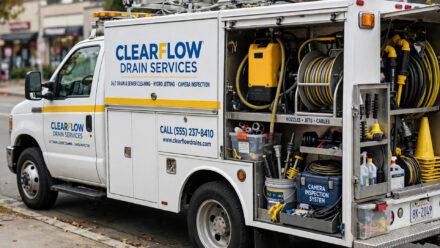
Vehicles and equipment. Expect to fund response vehicles and trailers, water extraction units, dehumidifiers, air movers, air scrubbers, moisture meters and thermal imaging tools, containment supplies, and cleaning and deodorization equipment. Equipment volume rises with the size of jobs you plan to take.
Opening costs and working capital. Training, certifications, insurance, licensing, software, marketing to property managers and insurance agents, and payroll before receivables come in. Item 7 normally includes an “additional funds” line.
When you receive the FDD, match your loan request to each Item 7 category:
- Initial franchise fee
- Warehouse lease deposits and improvements
- Vehicles, trailers and wraps
- Drying, extraction and air-quality equipment
- Technology and job-management software
- Training, certification and travel
- Insurance, licenses and permits
- Marketing and grand opening
- Additional funds for the initial period
The financing plan should add up to the same total the FDD shows for your territory.
Ongoing Fees and How They Affect Your Loan
Item 6 lists royalties, any brand or marketing fund, technology fees, and renewal and transfer fees. We could not verify current amounts, so use the exact figures from the FDD in your projections.
Why receivable timing matters. Restoration revenue often depends on insurance approvals, so a job finished this month may be paid weeks or months later. Lenders look at how royalties and payroll are paid while receivables are outstanding, and they want to see enough working capital to bridge that gap.
Seasonality. Storms, freezes and wildfire seasons bring surges of work, followed by quieter periods. Projections should show both.
Franchisor Requirements for New Owners
We could not verify published net worth or liquid capital requirements. Ask the franchise development team and confirm in the FDD. Local owners in the system come from varied backgrounds; the Cedar Valley co-owners, for example, came from finance and other industries rather than restoration.
The approval process. Expect an inquiry, introductory calls, FDD review, conversations with existing owners listed in Item 20, franchisor approval and then training. Start financing conversations early so funding is ready when training ends.
Ways to Own a True North Restoration
A new territory. Most buyers open a new territory and underwrite the loan on projections. See our page on franchise start-up financing.
Buying an existing location. A resale gives lenders actual revenue, insurance relationships and equipment to evaluate. Read about buying a franchise resale, and see our restoration business acquisition financing page.
Expanding into new markets. The Cedar Valley owners added a Cedar Rapids location in 2025, showing that owners can grow into neighboring areas once the first business is established.
Financing Options for a True North Restoration Franchise
SBA 7(a) loans. Because the brand is on the SBA Franchise Directory, an SBA 7(a) loan can fund the franchise fee, vehicles, equipment and working capital in one package for qualified borrowers.
SBA 504 loans. If an owner later buys a warehouse for the business, the 504 program can fit owner-occupied real estate and long-lived equipment.
Conventional term loans. Borrowers with strong liquidity and collateral may use a conventional business loan.
Equipment financing. Trucks, trailers, dehumidifiers, air movers and extraction units can be financed or leased separately, with the equipment as collateral. Learn more about franchise equipment financing.
Working capital and lines of credit. A line of credit can carry payroll, fuel and supplies while insurance claims are processed, and can help owners scale up quickly after a storm. See restoration working capital.
Seller financing on resales. A seller may carry part of the price on an existing location. Seller notes are typically subordinate to the senior loan, and program rules may limit them.
SBA Loans for True North Restoration Franchisees
The SBA Franchise Directory lists brands whose franchise agreements have been reviewed for SBA eligibility. A listing lets SBA lenders proceed without a separate review of the franchise relationship, but every borrower is still underwritten on credit, cash flow, collateral and experience.
True North Restoration’s listing. The brand is listed with no special note, so no extra brand-specific conditions are flagged. Confirm current status with your lender, since the directory changes.
Loan size. The SBA 7(a) program maximum is currently $5 million, though program rules can change.
Application tips. For a True North Restoration franchise loan, bring the full FDD, equipment and vehicle quotes, a warehouse lease or proposal, and monthly projections that show job volume, insurance payment timing and seasonal swings. Use our SBA loan calculator for planning estimates, which are not an offer or approval.
How Lenders Evaluate a True North Restoration Deal
Personal credit and financial history. Lenders review credit, tax returns and a personal financial statement, and expect a personal guarantee.
Net worth and liquidity. Because receivables can be slow, lenders want reserves beyond the down payment.
Industry and management experience. Construction, insurance, property management, operations or sales experience helps. Owners without restoration backgrounds should show how they will hire experienced technicians and a project manager.
Business plan and projections. Use brand-specific assumptions: referral sources such as insurance agents, plumbers and property managers; average time to collect from carriers; crew capacity; and how you will handle a storm surge.
The FDD and franchise agreement. Lenders read term, renewal, transfer and territory provisions. Our guide to how lenders read an FDD explains the key items.
Historical financials for resales. Expect the seller’s profit and loss statements, tax returns, receivables aging and customer or carrier concentration.
Equipment and Insurance-Claim Cash Flow
Drying and air-quality equipment is the backbone of a restoration business. Owners who take on larger commercial jobs need more units, more vehicles and sometimes rental equipment. Lenders like to see equipment purchases tied to expected job volume, with rental used for surges.
Insurance work adds a documentation burden. Moisture readings, photos and scope estimates support claims, and slow or disputed claims tie up cash. A working capital line sized to your receivables cycle is often as important as the equipment loan.
Multi-Unit Growth
Owners who build steady referral relationships often add territories or locations. A second True North Restoration franchise loan usually relies on the first location’s cash flow, so clean books and receivables records matter. Our article on multi-unit franchise financing explains how lenders approach growth.
Real-World Scenarios
A finance professional opening a territory. A buyer with a finance background opens a new territory, uses an SBA 7(a) loan for the franchise fee, a truck and drying equipment, and hires an experienced project manager.
A contractor adding restoration. A general contractor joins the brand and finances equipment separately, relying on existing construction experience to win larger rebuild work.
An owner expanding after a busy season. An established owner adds a second location in a nearby city, financing vehicles and equipment and increasing a line of credit to carry insurance receivables.
Common Mistakes to Avoid
- Underestimating how long insurance claims take to pay
- Buying more equipment than the job pipeline supports
- Projecting steady revenue in a seasonal, storm-driven business
- Skipping a review of Items 5, 6, 7, 19 and 20 of the FDD
- Leaving too little working capital for payroll during surges
Read more in our article on restoration company loan mistakes.
Next Steps to Finance Your True North Restoration Franchise
Step 1: Request the FDD. Note the fee, royalty, Item 7 range and territory terms.
Step 2: Talk with existing owners. Ask about ramp-up, insurance payment timing and equipment needs.
Step 3: Build your budget. Price a warehouse, vehicles, equipment, insurance and working capital locally.
Step 4: Write a business plan. Show referral sources, crew capacity and receivable timing.
Step 5: Speak with a financing specialist. Compare SBA 7(a), equipment and conventional financing.
Step 6: Close and launch. Align funding with training, hiring and your first marketing push.
True North Restoration Franchise Loan FAQs
How much does a True North Restoration franchise cost?
We could not verify the current Item 7 range. Request the FDD, which itemizes the fee, equipment, vehicles and working capital.
What is the franchise fee and royalty?
They are disclosed in Items 5 and 6 of the FDD.
Can I get an SBA loan for a True North Restoration franchise?
Yes. The brand is listed on the SBA Franchise Directory with no special note, so qualified borrowers can apply for SBA 7(a) financing.
How much liquid capital do I need?
We could not verify a published requirement. Ask the franchisor, and expect lenders to want reserves for slow insurance payments.
Do I need restoration experience?
Not necessarily. Some owners in the system came from finance and other fields. Lenders will want to see a plan for hiring skilled technicians.
Can I finance equipment separately?
Yes. Equipment financing or leasing can fund trucks, dehumidifiers, air movers and extraction units.
Can a first-time owner get a True North Restoration franchise loan?
Yes, with franchisor approval, solid credit, adequate liquidity and a realistic plan.
How long is the franchise term?
Item 17 of the FDD sets the term, renewal and transfer rules.
Does True North Restoration offer financing?
Check Item 10 of the FDD for any franchisor financing.
Does the FDD include financial performance information?
Review Item 19 to see whether the FDD includes financial performance representations.
Final Thoughts
A True North Restoration business runs on fast response, the right equipment and patient cash management while insurance claims are paid. Buyers who read the FDD carefully, budget realistically for equipment and keep a strong working capital cushion will be in the best position with lenders.
US Professional Funding helps franchise owners finance start-ups, equipment, working capital and acquisitions. Learn more about our franchise financing and restoration and remediation financing options.