
Financing a liquor store is a critical step for entrepreneurs and investors looking to enter or expand within the retail alcohol and beverage industry. Liquor store financing provides access to capital for acquiring existing stores, funding new buildouts, renovating retail locations, purchasing inventory, and supporting ongoing business growth. With the right liquor store loan structure, owners can open new locations, refinance existing debt, or reposition underperforming stores while maintaining strong cash flow and long-term scalability. Liquor stores are highly attractive to lenders due to their strong fundamentals, including consistent consumer demand, repeat customer purchases, and high-margin product categories. The industry benefits from steady cash flow and diversified revenue streams across beer, wine, and spirits, along with relatively predictable sales patterns. These factors make liquor stores a stable, income-producing retail business model within the broader small business lending market. Whether acquiring an established liquor store, developing a new retail location, refinancing existing obligations, or upgrading inventory and store layout, liquor store financing solutions play a key role in improving operational efficiency, increasing profitability, and supporting long-term, sustainable growth in a competitive marketplace.
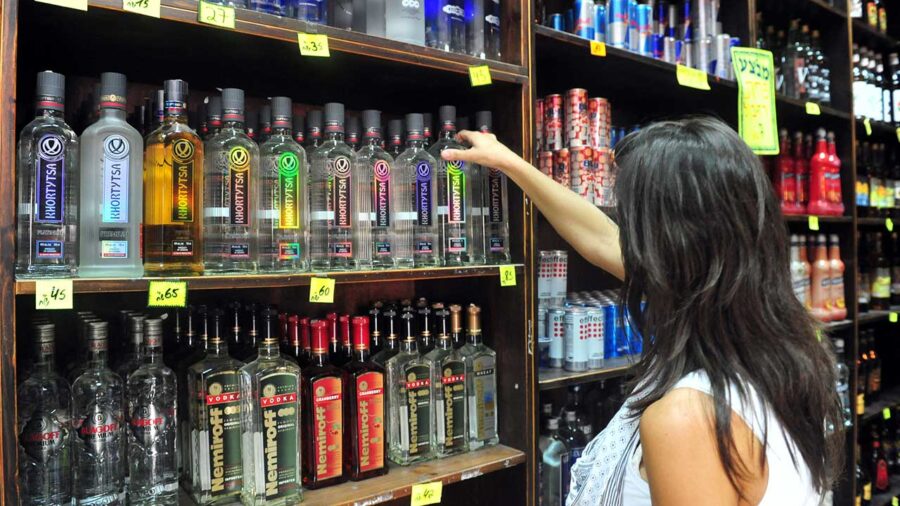
Liquor Store Business Financing
Loan Programs We Use for Liquor Stores
US Professional Funding offers a comprehensive range of financing solutions tailored specifically for liquor stores, wine shops, and alcohol retail businesses. SBA 7(a) loans provide flexible liquor store financing for acquiring existing stores, purchasing inventory, refinancing existing business debt, and covering essential operating expenses such as rent, payroll, and store upgrades. SBA 504 loans are designed for long-term, fixed-rate financing, making them ideal for purchasing retail real estate, expanding store locations, and funding major capital improvements within the retail liquor industry.
Conventional liquor store loans and business lines of credit offer additional structured funding options to support both short-term working capital needs and long-term growth strategies. These financing solutions can be used to increase inventory levels, expand product selection across beer, wine, and spirits, upgrade point-of-sale (POS) systems, enhance store layouts, and improve overall operational efficiency. By leveraging the right combination of liquor store financing solutions, business owners and investors can align their capital structure with strategic objectives—whether acquiring a liquor store, opening a new retail location, refinancing existing obligations, or scaling to multiple stores. The right financing strategy supports improved cash flow stability, increased revenue potential, stronger operational performance, and sustainable long-term growth in the competitive alcohol retail and beverage market.
Benefits of Proper Financing
Securing the right liquor store financing provides powerful strategic advantages for liquor store owners, alcohol retailers, and investors. Access to capital enables the efficient acquisition, renovation, and repositioning of retail locations while improving operational performance, increasing customer traffic, and expanding revenue capacity through inventory growth, store upgrades, and multi-location expansion. Well-structured liquor store loans also support investment in modern retail systems, including point-of-sale (POS) technology, inventory management software, security systems, energy-efficient refrigeration, and optimized store layouts. These upgrades enhance product visibility, reduce shrinkage, improve the customer experience, and increase average transaction value—ultimately strengthening profitability and long-term brand positioning in the competitive retail liquor market. In addition, flexible liquor store financing solutions allow owners to respond quickly to market opportunities, seasonal demand spikes (such as holidays and major events), refinancing needs, or unexpected capital expenses without disrupting daily operations or cash flow. This financial flexibility is essential for maintaining optimal inventory levels and maximizing sales during peak periods. By leveraging a strategic approach to liquor store business financing, operators can optimize revenue, improve efficiency, and build long-term stability and scalable growth within the alcohol retail and beverage industry.
Liquor Store Financing Options
US Professional Funding specializes in liquor store financing for alcohol retail owners, investors, and entrepreneurs, making it easier to fund acquisitions, new store development, inventory expansion, and multi-location growth within the retail liquor and beverage industry. We understand that financing a liquor store—whether purchasing an existing retail location, opening a new store, or refinancing an established business—can be complex and time-sensitive. Our mission is to simplify the commercial lending process by providing structured liquor store loan solutions that support long-term business growth, improve cash flow, and increase overall profitability. With deep expertise in retail business financing, liquor store loans, and small business lending, US Professional Funding delivers customized capital solutions so you can focus on maximizing revenue and scaling your liquor store portfolio.
Our tailored liquor store financing solutions offer a range of benefits for business owners and investors:
- Liquor Store Acquisition Financing:
Secure funding to purchase existing liquor stores with stable revenue, strong customer demand, and established supplier relationships. Financing is typically based on sales performance, profit margins, location strength, and overall business stability. - New Liquor Store Development Financing:
Obtain capital to open a new liquor store, including leasehold improvements, buildout costs, licensing requirements, shelving, refrigeration systems, and initial inventory purchases across beer, wine, and spirits. - Working Capital & Inventory Financing:
Access funding to maintain optimal inventory levels, expand product selection, and take advantage of bulk purchasing opportunities to increase margins and meet seasonal demand. - Liquor Store Refinancing:
Refinance existing business debt to reduce interest rates, improve monthly cash flow, consolidate obligations, or free up capital for store upgrades, inventory expansion, and operational improvements. - Value-Add & Expansion Financing:
Access capital to grow revenue through store renovations, improved layouts, upgraded point-of-sale systems, enhanced security, and expansion into additional retail locations to scale your liquor store business.
Liquor Store Investment & Performance
Liquor stores have become one of the most attractive retail business investment opportunities due to their strong revenue potential, consistent consumer demand, and ability to perform across various economic cycles. Investors and entrepreneurs are drawn to alcohol retail businesses for their steady cash flow, repeat customer purchases, and high-margin product categories across beer, wine, spirits, and specialty items. When properly managed, liquor stores often outperform traditional retail models thanks to predictable demand and resilient sales patterns. From a lending perspective, key performance indicators such as gross sales, inventory turnover, average transaction value, profit margins, and net operating income (NOI) are critical in determining liquor store financing eligibility and long-term profitability. Well-located stores with strong foot traffic, efficient inventory management, and established supplier relationships are especially attractive to lenders seeking stable, income-producing retail assets. Many investors target value-add opportunities by acquiring underperforming liquor stores and improving performance through renovations, optimized store layouts, expanded product selection, targeted marketing strategies, and upgraded point-of-sale systems. With the right liquor store financing strategy, these enhancements can significantly increase business valuation, improve customer experience, and maximize return on investment. Whether entering the industry for the first time or expanding a multi-location portfolio, understanding financial performance, local market demand, and scalability is essential when structuring liquor store financing solutions to drive long-term growth, profitability, and operational success in the competitive alcohol retail market.
Strategic Planning for Success
Before pursuing liquor store financing, business owners and investors should carefully evaluate current financial performance, store valuation, and expansion or repositioning goals. Analyzing key metrics such as gross sales, profit margins, inventory turnover, average transaction value, and net operating income (NOI) helps determine financing readiness and overall business strength within the retail liquor and beverage industry. Developing a comprehensive liquor store business plan is essential to securing favorable financing. This plan should outline projected cash flow, revenue growth strategies, inventory management practices, pricing structure, and customer demand trends—giving lenders a clear understanding of the store’s scalability and earning potential. It should also detail how capital will be deployed, whether for acquiring an existing liquor store, expanding inventory, upgrading point-of-sale systems, renovating the retail space, or opening additional locations. Working with financing professionals at US Professional Funding ensures each project is aligned with the most effective liquor store financing solutions, including acquisition financing, working capital loans, inventory financing, refinancing, and expansion funding. With the right combination of strategic planning and structured financing, liquor store owners can improve cash flow, enhance operational efficiency, increase profitability, and position their business for long-term, scalable growth in a competitive retail market.