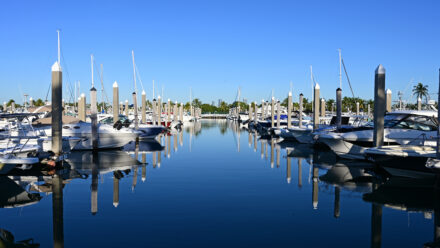
Dock, Bulkhead and Seawall Condition: A Marina Buyer’s Review
The structures that make a marina work are constantly exposed to water, weather, ice, waves and the impact of boats. Docks, pilings, bulkheads and seawalls wear over time, and much of that wear happens below the waterline where a walk-through will not reveal it. Marina dock condition is therefore a significant diligence item in an acquisition, because repair and replacement costs can be substantial and can affect both the price a buyer is willing to pay and the cash the business will need after closing.
This article is general information for buyers of existing, operating marinas. It treats structural condition as a diligence matter only and does not address financing improvements, adding slips or rebuilding a marina. It does not provide engineering advice. Buyers should rely on qualified marine engineers, inspectors and insurance professionals.
What a Marine Engineer May Review
- Docks and floats: decking, frames, flotation, connections and utilities on the docks
- Pilings: condition above and below the waterline, signs of deterioration and stability
- Bulkheads and seawalls: movement, erosion behind the wall, cracking and drainage
- Lifts and handling areas: haul-out areas, launch ramps and the structures that support boat handling
- Dock utilities: electrical and water service on the docks, which may be reviewed by qualified electrical professionals
- Fuel dock structures: the dock and supports beneath the fuel system
Some inspections involve underwater assessment. The scope should be agreed with the engineer in advance, and the buyer should understand what the report does and does not cover.
Storm Exposure
A marina’s location and natural protection affect how it fares in severe weather. Buyers may ask about past storm events, the damage that resulted, how repairs were funded and whether insurance claims were paid. Understanding storm exposure helps the buyer think about insurance, reserves and seasonal planning. Our article on marina seasonal cash flow discusses storm planning alongside insurance and cash management. Insurance questions should be directed to qualified insurance professionals.
How Condition Affects the Deal
Findings from an inspection may lead to a price adjustment, a seller repair before closing, a holdback or simply a more realistic budget for the buyer’s first years. Deferred maintenance that the seller has not addressed should be weighed carefully, because it may reduce the income the marina can produce if slips must be taken out of service. Our guide to marina valuation explains how condition fits into the overall picture.
Permits and Repairs
Repairing or replacing in-water structures may require permits, and the scope allowed may be limited. Buyers should not assume that structures can be rebuilt in the same form without approval. See our article on marina environmental permits.
What Lenders Want to See
Lenders may require a property condition report, an appraisal that considers condition and evidence of adequate insurance. They will also want to see that the buyer has enough cash or working capital to handle near-term repairs without straining debt service. Our article on marina loan requirements covers the documentation lenders frequently request.
What to Request From the Seller
- Maintenance and repair records for docks, pilings and walls
- Prior engineering or inspection reports
- Storm damage history and insurance claim records
- Any permits issued for repairs or replacement
Our marina due diligence checklist places this review within the broader process.
US Professional Funding helps buyers finance the acquisition of existing, operating marinas, with financing planned around the property’s documented condition and cash flow. Learn more about our marina acquisition financing.