The Liquor Store Lease: What Buyers and Lenders Need to See
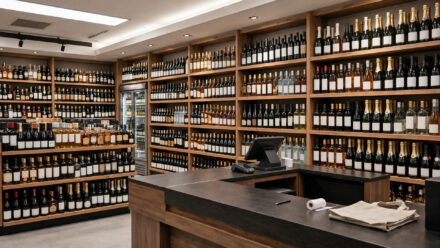
Many liquor stores operate in leased space, and the location is often part of what makes the store valuable. Customers know where it is, the space is set up with coolers and shelving, and in many jurisdictions the license may be tied to that specific location. Moving can be costly, and depending on local rules it may require licensing approval. That is why buyers and lenders review the liquor store lease closely before a deal can close.
This article explains the lease terms buyers and lenders commonly focus on. Leases and landlord requirements vary, and no two transactions work exactly the same way. This is not legal or licensing advice; buyers should have an attorney review the lease and any assignment or new lease documents.
Why the Lease Matters
- The customer base is tied to the location
- Coolers, walk-ins and fixtures are installed for the space
- In some jurisdictions, the license may be associated with the premises, so a move may require approval
- A short or uncertain lease can limit the store’s value and financing options
Our guide to liquor store valuation explains how lease terms affect price.
Key Lease Terms to Review
Remaining term and renewal options
How long is left, and does the tenant have options to renew? Lenders often want the term, including options the tenant controls, to extend appropriately beyond the loan term. A buyer may need to negotiate an extension or new lease as part of the purchase.
Rent and increases
Review base rent, scheduled increases, how renewal rent is determined and additional charges for taxes, insurance and common-area maintenance.
Assignment and transfer
Many leases require the landlord’s consent to assign the lease to a buyer, and some set conditions such as a financial review, a personal guarantee or a fee. Some leases also treat a change in ownership of the tenant company as an assignment. How a particular lease can be transferred depends on its terms and applicable law.
Permitted use and exclusivity
Confirm the permitted use covers retail alcohol sales and any other products the store sells. Some leases include exclusivity provisions that prevent the landlord from leasing nearby space to a competing store, which can protect the business.
Operating requirements
Check for required hours, signage restrictions, security requirements or other provisions that affect operations.
Repairs and building systems
Understand who maintains and replaces the roof, HVAC, refrigeration-related electrical systems, parking areas and storefront.
Default, relocation and termination
Review default provisions, any landlord right to relocate the tenant and termination rights that could shorten the term.
The Lease and Licensing
Licensing authorities may ask for evidence that the applicant has the right to occupy the premises, and some licenses are associated with a particular location. Coordinating the lease assignment with the licensing process helps avoid gaps. Requirements vary by jurisdiction; see our guide to liquor license transfer.
Landlord Considerations
The landlord’s cooperation is often essential to closing. Landlords may review the buyer’s finances and experience, request a guarantee or use the request to renegotiate terms. Engaging the landlord early, with the seller’s agreement, can reduce delays.
What Lenders Look For
- A lease term, including options, that supports the loan term
- Assignment to the borrower or a new lease in the borrower’s name
- Landlord documents the lender may require, such as estoppel certificates or other agreements
- Terms that allow the store to keep operating as it does today
Requirements vary by lender and program. Our guide to SBA loans for liquor stores explains how lenders evaluate acquisitions.
When the Building Is Available
Sometimes the property can be purchased along with the business. Our article on whether to buy liquor store real estate or lease compares the two paths.
A Note for Sellers
Sellers who confirm renewal options or discuss assignment with the landlord before marketing the store can make it easier to sell and finance. See our guide on how to sell a liquor store.
US Professional Funding works with buyers acquiring existing liquor stores in leased locations. Learn more about our liquor store acquisition financing.