Shop Equipment and Lifts as Condition Items in Auto Repair Due Diligence
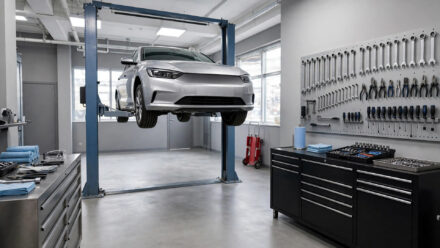
A repair shop’s lifts, diagnostic tools, alignment machine, tire equipment, compressors and, in collision shops, frame equipment and paint booths determine what work the shop can perform. When a shop is sold, that equipment usually comes with it. Its condition affects safety, productivity and what a buyer may need to spend after closing. Reviewing auto shop equipment condition is a practical part of due diligence and can influence price and working capital planning.
This article treats equipment only as part of buying an existing, operating automotive service business. It does not address financing equipment on its own. Safety, inspection and environmental requirements vary by state and locality, so buyers should rely on qualified inspectors and professionals. Nothing here is legal, technical or financial advice.
Start With an Equipment List
Ask the seller for a list of significant equipment with type, approximate age, ownership status and service history. Confirm which items are included in the sale and which belong to technicians, a landlord or a lessor.
Items to Inspect
- Lifts: type, age, maintenance and inspection records, and visible wear; older in-ground lifts may also raise environmental questions
- Diagnostic tools and software: whether subscriptions and licenses can be transferred and whether tools cover the vehicles the shop serves
- Alignment and tire equipment: calibration and service history
- Compressors and air systems: condition, leaks and maintenance
- Paint booths and frame equipment: condition, permits and service records for collision shops
- Fluid handling and storage: condition of containers, dispensers and waste storage
A qualified inspector or equipment service provider can help assess items that need specialized knowledge.
Ownership, Leases and Liens
Some equipment may be leased or financed. Buyers should identify existing leases and liens, whether leases can be assumed and how liens will be released at closing. Software licenses and subscriptions frequently require the provider’s consent and should not be assumed to transfer. Our auto repair shop due diligence checklist covers related documents.
How Condition Affects Price
Equipment nearing the end of its useful life may require replacement soon after closing. Buyers may factor those needs into price or negotiate repairs before closing. Our guide to auto repair shop valuation explains how condition fits into the broader picture.
Environmental Overlap
Some equipment, such as in-ground lifts, fluid storage and drains, overlaps with environmental questions. These should be referred to qualified environmental professionals. See our article on auto repair shop environmental review.
Planning for Post-Closing Needs
A buyer who expects repairs or replacements in the first period of ownership should plan for that cash need alongside payroll, parts and other operating costs. Our page on automotive care working capital and lines of credit explains how working capital may help a shop manage operating needs.
What Lenders Look At
Lenders may review the equipment list and condition as part of evaluating collateral and the buyer’s plan, though decisions rest primarily on documented cash flow. Our article on auto repair shop loan requirements explains what lenders frequently request.
US Professional Funding helps buyers finance the acquisition of existing, operating automotive service businesses. Learn more about our auto repair shop acquisition financing.