Fleet and Commercial Accounts in an Auto Repair Shop Acquisition
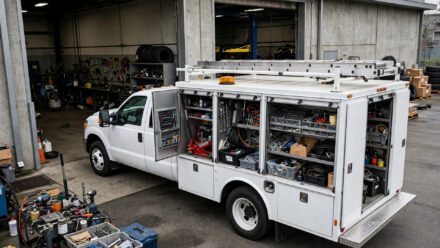
Many repair shops serve more than individual drivers. Local delivery companies, contractors, property managers, municipalities, rental operators and other businesses may send vehicles for maintenance and repair on a regular basis. These relationships can bring steady volume, but they also raise questions about concentration, contract terms and payment timing. Understanding auto repair fleet accounts is an important part of evaluating a shop and planning its financing.
This article explains general considerations for buyers of existing, operating automotive service businesses with fleet or commercial customers. Fleet revenue should not be assumed to continue after a sale, and contract matters should be reviewed with qualified attorneys. Nothing here is legal, tax or financial advice.
Types of Commercial Relationships
- Written service agreements: contracts that set pricing, response expectations and billing terms
- Informal standing relationships: businesses that send vehicles without a contract
- Bid or approved-vendor arrangements: public entities or larger organizations that select shops through a process
- Third-party fleet programs: arrangements in which an intermediary manages maintenance for vehicle owners
Each type carries different risks if ownership changes.
Customer Concentration
If a large share of revenue comes from a few accounts, losing one could significantly affect cash flow. Buyers should review revenue by customer over several years, the length of each relationship and who manages it. If the selling owner is the main contact, the buyer should plan introductions and a transition. Our guide to auto repair shop valuation explains how concentration may affect price.
Contract Terms to Review
- Term, renewal and termination rights
- Assignment and change-of-control provisions, and whether customer consent is needed
- Pricing terms, discounts and any rebate arrangements
- Warranty and liability provisions
- Insurance requirements the customer imposes on the shop
Our auto repair shop due diligence checklist covers the broader review.
Receivables and Payment Timing
Retail customers usually pay when they pick up their vehicles, while commercial accounts may be invoiced and pay later. That timing can tie up cash. Buyers should review receivables aging, collection history and any slow-paying accounts. The purchase agreement should address receivables that exist at closing. A new owner may also need working capital to carry receivables; see our page on automotive care working capital and lines of credit.
Protecting Value Through Structure
When a meaningful portion of revenue depends on a few accounts, some transactions use seller financing or terms tied to account retention after closing. See our article on auto repair shop seller financing. Some lenders and loan programs limit earnouts, so structure should be discussed with the lender early.
How Lenders Evaluate Fleet Revenue
Lenders may view a diversified mix of retail and commercial customers favorably, but they base decisions on documented cash flow and may look closely at concentration and the transition plan for key accounts. Our article on auto repair shop loan requirements describes the documentation lenders frequently request.
Questions to Ask the Seller
- Which accounts have written agreements, and can they be assigned?
- Who is the day-to-day contact for each account?
- Have any accounts reduced volume or changed terms recently?
- How promptly do commercial customers pay?
US Professional Funding helps buyers finance the acquisition of existing, operating automotive service businesses, including shops with fleet and commercial customers. Learn more about our auto repair shop acquisition financing.